

 LinkedIn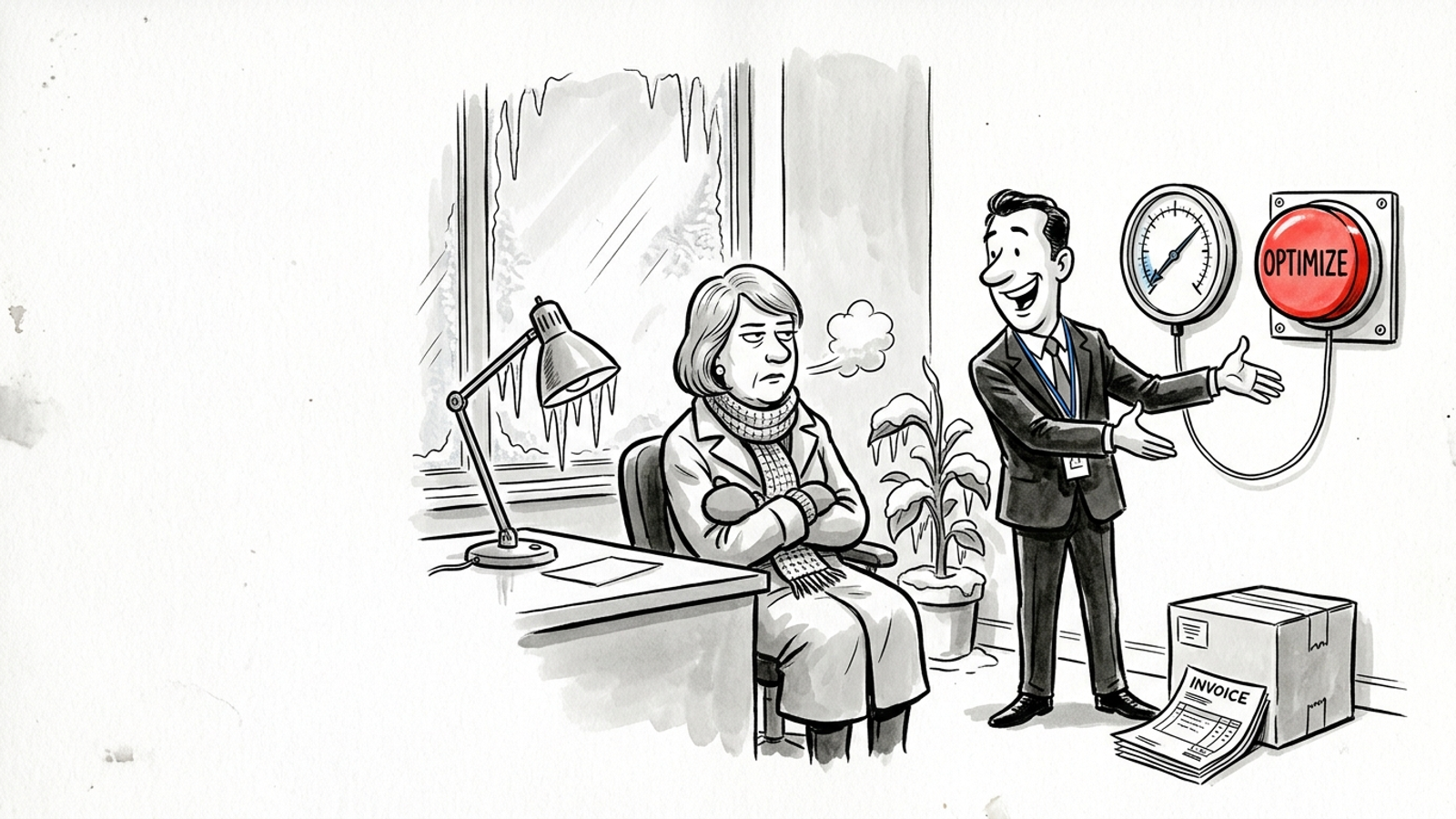
The ‘Optimize for AI Overviews’ button sells a dashboard as if it could turn your best conversion page into a reference source. You know the demo: a rep plugs in your highest-converting landing page, a progress bar sweeps across the browser, and the page scores 41 out of 100 for AI search readiness. Beside the red badge sits a button marked Optimize, waiting for your corporate credit card.
The promise is a mechanical shortcut: click, let an algorithm adjust your copy, and watch Google’s generative answers quote your brand. It reminds me of the pitch performance marketers bought when agencies charged a 15% management fee to run automated bid scripts twice a month. The interface has changed. The work hiding behind it often has not.
I spent a decade tuning paid search landing pages for incremental conversion gains. A singular call to action, stripped navigation, persuasive benefit copy, no inviting rabbit holes: those choices make sense when someone has clicked an ad and might buy. They make the same page a poor answer to an informational question. A toggle switch cannot reconcile those jobs. It can, however, sell you an expensive seat in an automated alert queue.
The demo scores your page against the wrong job
Look closely at the score. A platform checks your site against its heuristics, then drapes the results in red indicators. Your page lacks conversational headings. It has no structured FAQ accordion. Its content-to-code ratio falls below a threshold the product team chose. Suddenly a page built to sell has failed a test built to sell you software.
The solution sits behind the next tier. Click Optimize, grant access through a CMS plugin or API connection, and let the tool close the gap. That sounds much easier than asking whether the page belongs in an AI-generated answer at all.
That is the first question I would ask. What question is this page supposed to answer? A readiness score cannot tell you that a pricing page should serve the same search intent as a technical explainer. It can tell you that the pricing page has fewer question-shaped headings. Those are not equivalent findings. If the demo skips that distinction, the red dot is doing more work than the analysis.
Behind ‘Optimize’: schema, headings, and homework
Under the impressive label, the proposed changes can be ordinary: generate JSON-LD structured data, turn an H2 into a question, and send your marketing lead a long PDF audit. None of those tasks is inherently useless. None turns a sales pitch into a reference source, either. As this discussion of Google’s AI Overview guidance notes, there is no special structured-data requirement for appearing in AI Overviews. Adding FAQPage or SoftwareApplication schema to promotional copy does not supply the answer missing from the page.
The copy changes can be worse. Direct-response copywriters trim paragraphs, clarify pricing, and tighten headlines so a prospect knows what you do within seconds of clicking an ad. Then an ‘AI optimization’ pass proposes an opening like ‘What is enterprise inventory software and how does it assist modern supply chains?’ Your buyer came to evaluate software, not sit through a glossary before reaching it.
The awkward part is that the suggested heading may look reasonable in isolation. So might an FAQ tucked below the form. But the page now has two briefs: persuade a ready buyer to act, and explain a broad topic to someone who is not ready to buy. If the answer is important enough to develop properly, it deserves more than leftover space beneath the call to action.
Do not sacrifice a conversion page to chase a citation. Adding informational boilerplate risks making the page worse at the job it already does, without making it useful to an answer engine. The tool calls that optimization. I call it changing the brief after the work is finished.
Your landing page is an airlock, not a reference library
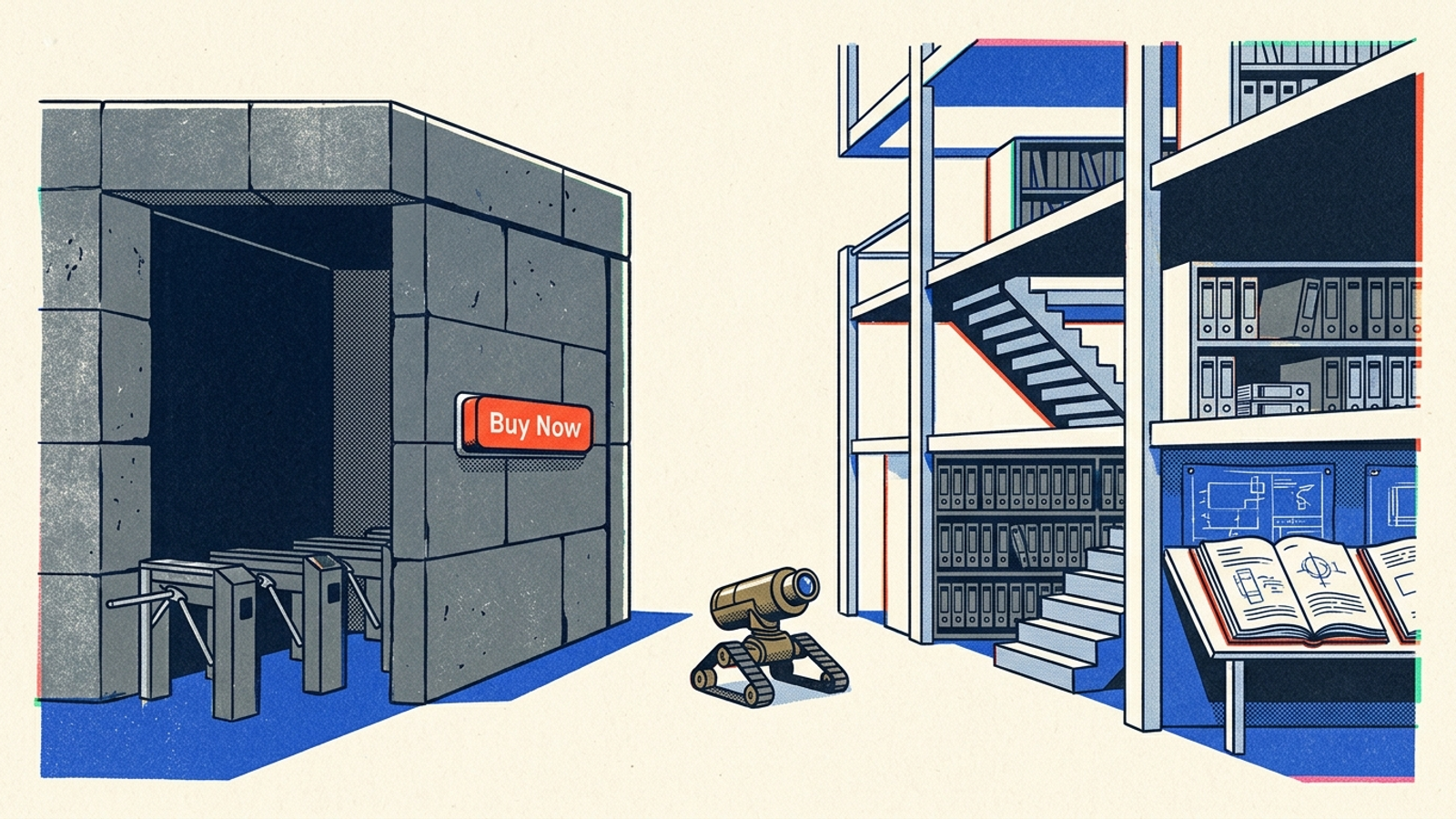
The conflict is structural. A paid search landing page funnels attention toward one action. You strip navigation, limit detours, compress the pitch into benefits, sometimes hide pricing behind a form, and make the next step unmistakable. It is an airlock by design.
An answer engine serves a different visitor. Someone asking an informational question needs context, definitions, comparisons, or facts they can use without requesting a demo. If your page withholds the answer until the reader fills in a form, there may be little worth quoting. A BrightEdge analysis of AI Overview citations found that 82.5% point to deep content pages two or more clicks from the homepage, while product and service landing pages account for 17% and homepages 0.5%. The engine does not want your billboard. It wants your reference library.
Search intent helps explain the split. AI Overviews appear on 30.3% of informational searches but 14.3% of transactional queries. For a query such as ‘enterprise inventory software pricing models,’ a claim that your product is ‘intuitive and cost-effective’ offers less to quote than an accessible breakdown of tiers, limits, and contract lengths. Paying to force a transactional page into an informational slot is paying a subscription to pretend intent does not exist.
This is not an argument against landing pages. Keep the one that makes the next step clear to a buyer. Just stop treating its lack of detours as a defect because a visibility tool prefers a longer answer. A page can be excellent at conversion and still be the wrong place to explain the market.
I have seen a version of this mistake in Google Ads. Account managers would stuff keywords into a landing-page headline and treat the resulting match as a substitute for a useful page. It was not. A keyword in a heading could not do the whole job then; an FAQ dropdown in the footer cannot do the whole job now. A page built to close a sale is usually the wrong page to ask to answer a broad question. Build the answer elsewhere, and let the landing page keep selling.
A monitoring dashboard is not an optimization engine
The pricing page often gives away what you are buying. Tools such as Otterly.ai price self-serve tiers from $29 a month for 15 tracked prompts to $189 a month for 100. Prompt volume is a monitoring unit. The tool checks whether your brand appears across AI search surfaces, records the result, and plots a trend. If a competitor appears and you do not, the cell turns red.
That may be useful information. It is not a fix. Calling monitoring ‘optimization’ is like calling a thermometer a heating system.

The dashboard also cannot create the search footprint it measures. One analysis found that 76.1% of URLs cited in AI Overviews rank in Google’s top 10 organic results, and 85.6% rank in the top 100. A landing page published last week, with no established presence for the topic, is not rescued by a heading change. I have covered the distinction in more detail in whether AI visibility software gets you cited or just tracks who did.
For an overloaded team, this produces a familiar bill. As growth teams discussing AEO software have noted, tracking without the capacity to publish changes creates a queue of alerts. You pay for an enterprise seat; the dashboard says twenty pages need work; the web team is busy and the copywriters are writing ad variants. Four months later, the alerts are still there. So is the invoice.
The more polished the reporting gets, the easier it is to confuse attention with progress. A weekly chart can make an unchanged page feel actively managed. Before paying for another view of the problem, ask who has the time and authority to change the page, and whether that is even the page worth changing.
I do not object to measuring visibility. I object to selling the measurement as the work.
The fix: publish answers and own the execution
Pages earn citations by giving an engine something useful to retrieve. Practitioners examining generative search make the same point: reformatting an H2 as a question or wrapping a paragraph in an accordion does not, by itself, make a page worth citing. In the BrightEdge analysis, 86% of cited URLs appeared for only one specific informational query. That points toward focused answers, not a generic overview pasted onto every sales page.
The work is less glamorous than the button:
- Identify the questions your conversion pages deliberately leave unanswered.
- Publish dedicated answer pages, technical documentation, comparison tables, or diagnostic guides that address those questions directly.
- Keep the pages accessible and crawlable rather than hiding every useful detail behind a form.
- Check what changed in search visibility, then revise the work instead of admiring the chart.
The first step matters more than another pass at the readiness score. If a buyer needs to know how pricing tiers differ, an answer that names the tiers and their limits does more work than a paragraph about how flexible your pricing is. The latter may belong in sales copy. It does not settle the question.
Outside mentions matter, too. SEO operators testing generative search point to third-party validation: independent discussions, industry benchmarks, un-gated teardowns, and neutral directory entries. Your own site can explain what you sell. It cannot manufacture independent agreement about it, no matter how many times a plugin rewrites the H2.
The bottleneck is execution. Growth leads already have dashboards warning them about slow pages, stale metadata, and competitors appearing where they do not. Someone still has to write the answer page, publish it, address the technical problem, and check whether the change made a difference. If you are comparing tools meant to get you featured in AI Overviews rather than merely monitored, ask who does that work. An alert without an owner is just another item in the backlog.
Three questions that cut through the next vendor demo
1. What changed, and where can I see it?
Stop the presentation before slide twelve. Ask for specific URLs where the software helped produce a change, what changed on each page, and who put it live. A vendor may tell you its product supplies guidance while your developers and editors handle implementation. Fine. Now you know you are buying diagnostics, not an autonomous optimization engine.
I would rather hear that plainly than watch a progress bar imply the work is done. A recommendation is not a deployment. Ask for a record of changes, not a fresh shade of green on the scorecard.
2. Who writes, reviews, and publishes the answers?
If the answer is that your team can generate twenty articles a week, ask what those articles will say that your current pages do not. Volume is not a substitute for a clear answer. Low-effort copy on a neglected blog does not become a reference library because a model wrote it quickly.
At groas, we built an autonomous search engine around continuous execution across paid and organic work. Specialized AI models handle work across bidding, copy, and technical SEO; a named human strategist sets direction, maintains guardrails, and owns accountability. That combination matters because a useful diagnosis still needs someone to act on it. Ask any vendor, including us, what gets done and who is responsible when it does not.
3. What happens when nothing moves?
Ask what the vendor reports when your visibility score flatlines for sixty days. More tracked prompts are not a better page. They may tell you more precisely where you are absent. They do not, on their own, give an answer engine anything better to cite.
If the response is another tier, more credits, and a larger dashboard, leave your landing page alone. Put the effort into useful, crawlable answers and the people or systems that will actually publish them. No button can optimize a page into being a different page.
Stop paying to measure the silence.