

 LinkedIn
A dashboard can tell you your competitor got cited again. I spent years in PPC watching companies buy reports on broken ads nobody had time to fix; now Answer Engine Optimisation has the same pitch, and the question worth paying for is what the software does next.
What tools actually help a business get featured in Google AI Overviews, not just monitored?
Most software sold as an AEO tracker tells you whether you appeared. It does not do the work that might help you appear next time. Platforms like Otterly, Peec AI, and Profound check prompts, look for your domain in the responses, and plot the result over time. Pricing in this category runs from $29 to over $2,000 a month, depending on prompt allowances and engine add-ons. That buys observation, not execution. A trendline does not rewrite a page or clear a crawl bottleneck.
Getting cited requires work on the material an engine can find and use: product comparisons it can parse, pages it can fetch, and relevant references beyond your own site. Practitioners discussing AI visibility on r/SaaS keep running into the same gap between seeing a problem and fixing it. A tracker can reveal that gap. Someone or something still has to close it. If a vendor calls both jobs “optimisation,” ask which one the invoice covers.
Ask what happens after the alert
In a vendor demo, skip ahead to the moment the software spots a problem. What changes without another task landing on your team’s desk? Can it update an obsolete comparison table or deploy structured data within agreed guardrails? Or does it add a row to an export and wait for your marketing manager to find time? Ask to see the resulting page, not a mock-up of the notification.
Monitoring has value if you have people ready to act on it. If you are buying software because those people are already stretched, price in their hours as well as the subscription. For a fuller look at the distinction, see our guide to tools to get featured in Google AI Overviews. My demo rule is simple: ask to see the change, not just the alert.
Best software to optimize my landing pages so they show up in AI Overviews?
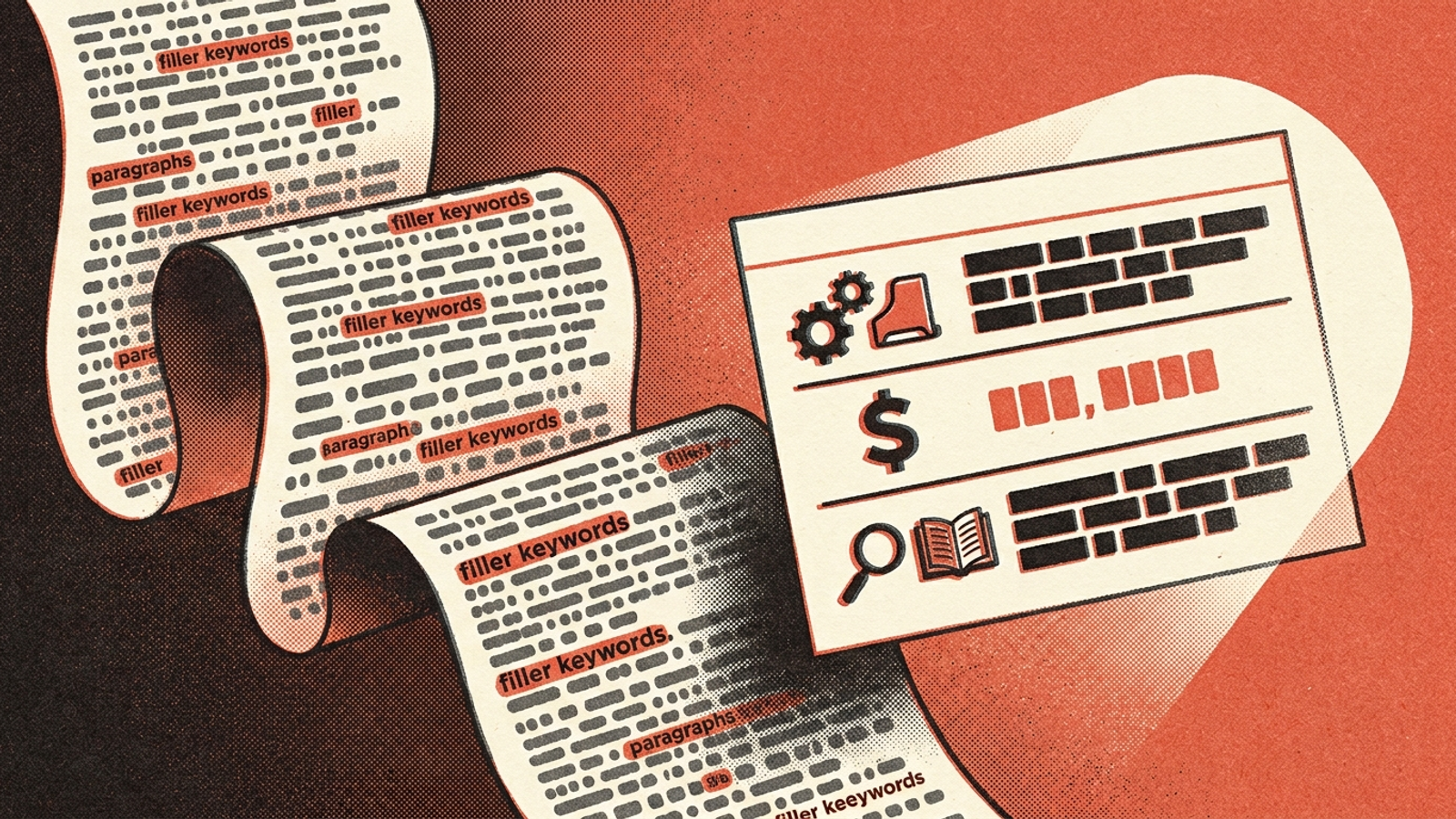
I would push back on best until we agree on optimise. On-page graders such as Surfer SEO, Frase, and Clearscope can give a writer recommendations. They cannot, by themselves, turn a buried answer into a useful one or replace an awkward image of a comparison chart with a readable table. A content score is not a citation.
The old temptation is to add more related phrases and a longer introduction because the grader asks for them. But if a page takes 3,500 words to reach the price, specification, or distinction a buyer asked about, more copy is unlikely to solve that problem. Make the answer easy to find and the supporting information easy to parse. A person trying to compare products benefits from that edit too; it is not just a concession to an engine.
Look for edits a reader would notice
On a landing page, I would check three things before I admired any software score:
- Direct answers: Does the page state the answer, specification, or pricing tier soon after the relevant
h2orh3, rather than making a reader hunt through marketing copy? - Readable comparisons: Are comparisons built as native HTML
<table>elements where a table makes sense, rather than trapped in an image or a difficult-to-parse layout? - Entity markup: Does the structured data accurately identify the product, founder, or service named on the page?
A tool that recommends twenty keywords may help a writer plan an edit. It has not made that edit. If your copywriters and developers already have a six-week backlog, look closely at whether a platform can generate and deploy the page changes you need, or whether it simply hands them another brief. Pay for the latter only if someone has time to use it.
Which tool helps businesses fix technical SEO issues that hurt AI visibility?
Screaming Frog, Sitebulb, Semrush, and Ahrefs can identify technical problems. Run a crawl and you may come away with a long list of missing schema, slow rendering, 404s, and JavaScript issues. That list can be useful. It is still an inspection checklist, not a repair.
I have handed developers plenty of checklists. The checkout flow is broken, a launch is due, and my crawl report does not jump to the top of the sprint because I highlighted it in orange. If pages remain hard for crawlers to fetch, the audit has described the problem without changing what the crawler sees. The more useful question is not how many issues a tool found, but which ones someone can fix before the next crawl.
Find the boundary between the tool and your site
Some fixes require changes to the site or its delivery layer. Teams can use approaches such as Cloudflare Workers for edge SEO to handle structured data, redirects, or rendered HTML without waiting on every change to the origin site. That is a different kind of work from finding the issue in a crawl. It also calls for clear control over what gets changed in production.
groas takes an autonomous approach to search work: specialised models handle ongoing execution, while a human strategist sets direction and guardrails. That is a better operating model than paying for an ever-growing list of recommendations nobody can implement. But ask the operational question in any demo, including ours: which fixes can the system actually deploy to your site, and which still need your developer? If the answer to everything is “we’ll send you a report,” budget for the mechanic as well as the inspection.
How do I measure visibility across ChatGPT, Gemini and AI Overviews?
Before picking a score, I ask what decision you will make when it moves. Tracking platforms run repeated prompt checks and count whether your brand appears in the responses. A chart can show a pattern worth investigating. It cannot tell you, on its own, what buyers saw or why an answer changed.
Keep the engines separate, then investigate the change
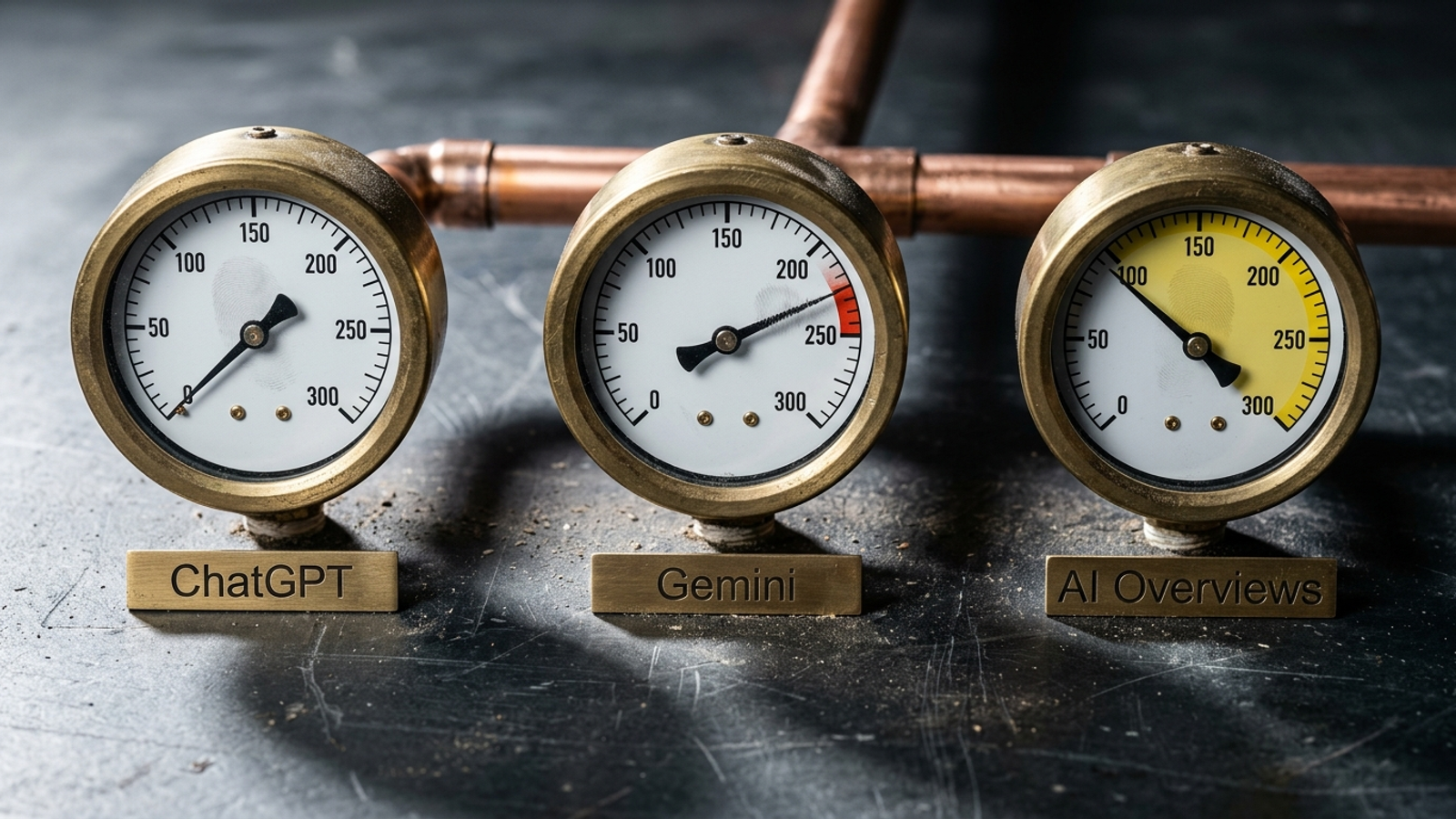
ChatGPT, Gemini, and Google AI Overviews do not present information in identical ways. An aggregate “62% visibility” score rolls distinct experiences into one reassuring number. It may be convenient for a slide, but I would not use it as a work order. If one engine changed and the others did not, the combined number makes the first question harder to ask: where did the movement happen?
A score can also rise without your team improving a page. An engine might produce longer answers that mention more brands, a problem practitioners evaluating AEO software on r/aeo have raised. And Google Search Console groups AI impressions without query-level search term reports, so a third-party visibility percentage cannot stand in for verified customer demand.
For a report I can act on, I want the individual prompts and engines, citations beside named competitors, and the external pages cited instead of ours. I also want to know whether relevant crawlers requested our pages. Our breakdown of what to ask of an AI visibility report goes further. Start with the change you can investigate, not the composite score you can paste into a deck.
What is the best software to automate AI search visibility reporting without hiring an agency?
If you only need a scheduled report, you probably do not need an agency to assemble it. Tools such as Otterly, Peec AI, and Profound offer automated exports; you can also feed prompt checks into a Looker Studio dashboard and schedule a PDF. Do not pay agency rates for someone to paste those outputs into slides. A tracking subscription is the cheaper fit for that narrow job.
Automate the work, not just the Monday PDF
The catch is that reporting and improvement are separate jobs. I have seen paid-search dashboards graph rising acquisition costs beautifully while nobody added the negative keywords, changed the bids, or tested the landing page. A visibility report can tell you a competitor appeared four times this week and you appeared zero times. It cannot, by reporting harder, rewrite your documentation or resolve a rendering timeout. The export might arrive every Monday. The backlog can sit there all month.
If you have a team that will turn each finding into a change, buy the reporting you need and let them work. If you are trying to remove that workload, buy for execution instead. In an autonomous operating model, I would expect an action log showing what changed, plus a human strategist accountable for the commercial target. I would not accept a prettier PDF as evidence that either job got done.
Ads are showing up in AI Overviews. Does that change any of this?
No. It makes the distinction between a placement and a service especially worth checking. You cannot buy or bid on AI Overviews as a separate placement, according to Google Ads documentation. Ads can appear there through existing Search, Shopping, and Performance Max campaigns when Google determines they are relevant. A vendor selling you a dedicated AI Overview bidding toggle owes you a demonstration of that toggle.
Performance for these placements is grouped into top-of-page search metrics, which also limits what a neat, placement-specific report can prove. I would spend the budget on the campaign work you can actually control: tighter search-intent matching, cleaner product feeds, and less wasteful query spend. Calling ordinary campaign management “AI Overview Ad Management” does not create a new auction lever.
What changed on my site this month?
This is the question I wish more people asked when a citation disappears. The explanation might be outside your site, but start with what you can inspect: did a template redesign remove structured data, did a plugin change bot access in robots.txt, or did a product update put exact pricing behind heavy client-side JavaScript? Before you blame a mysterious model update, check what you shipped. None of those checks promises an explanation. Each gives you something more useful than guessing at one.
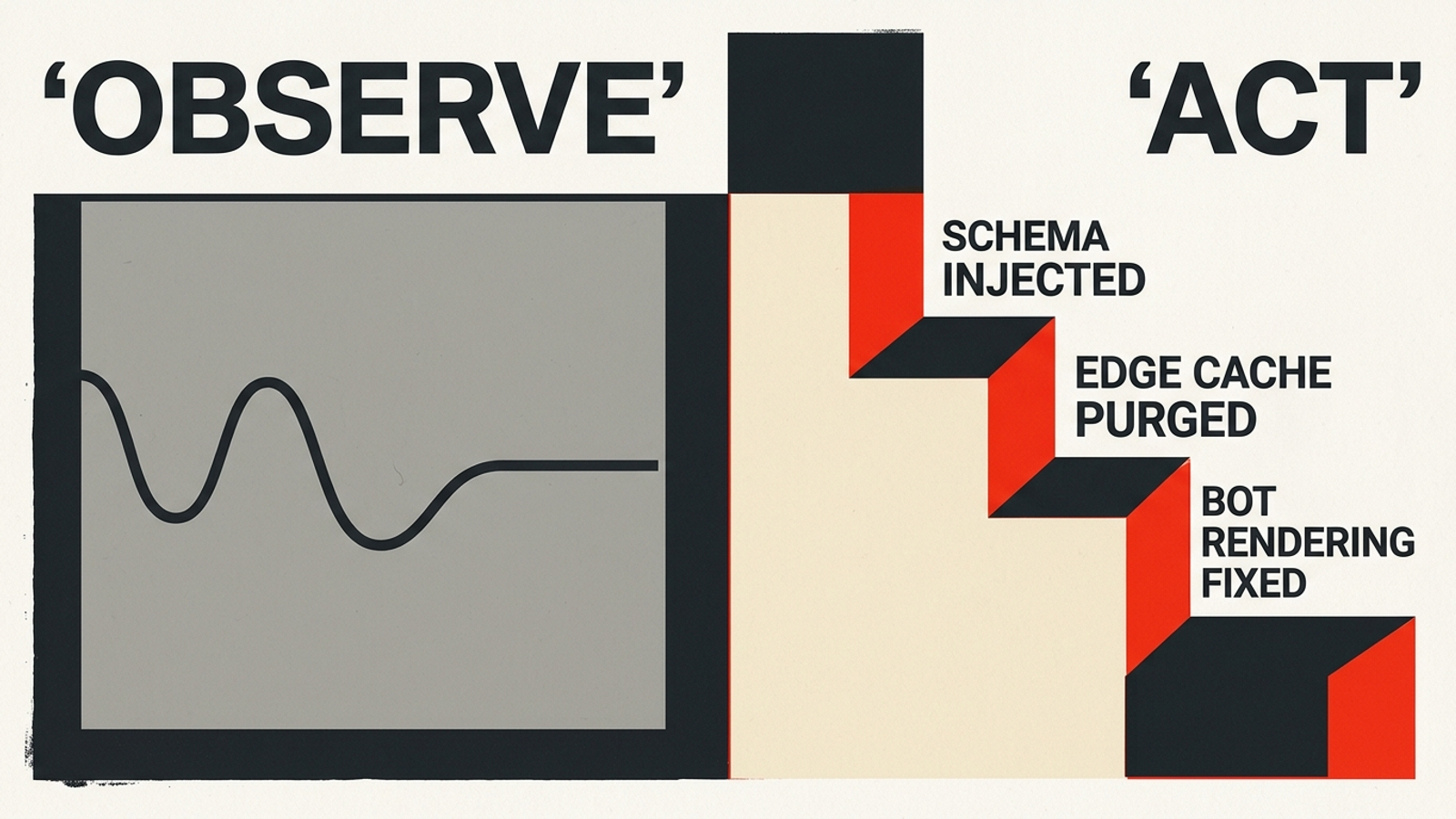
In PPC, I can investigate a conversion swing against an audit trail: bids, negative keywords, landing page variants. For AI visibility, I want the same discipline. Show me the page changes, the dates they went live, and the crawler requests around them. A citation chart without that trail tells me that something moved, not what to fix.
Before signing an annual agreement, I would put three questions to the sales engineer:
- Can your software change our live pages within defined guardrails, or does it only create tasks? If it creates tasks, include the hours needed to complete them in your budget.
- Can the report show crawler requests alongside prompt checks? If it only polls models, do not mistake its visibility score for evidence that a crawler fetched your update.
- Who owns the commercial outcome if citations rise but attributable revenue stays flat? A rising count is not the target if it does not help the business.
The market will keep finding new names for dashboards. I would rather see the work. At the end of the month, before anyone shows me another visibility score, I want to ask: what changed on my site this month?