

 LinkedIn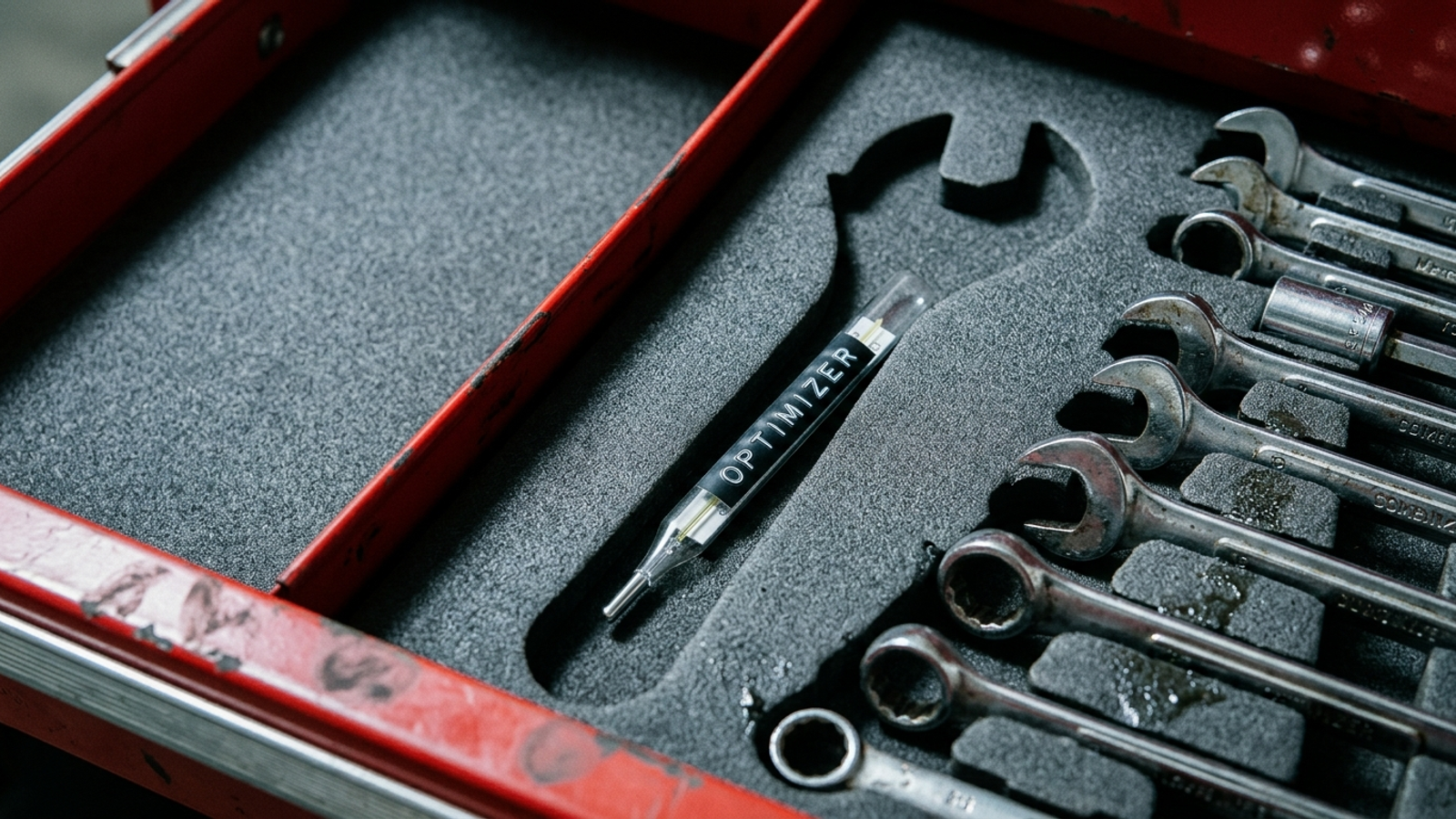
Most AEO sales decks read like Google Ads reports with the labels swapped. Prompt where keyword used to be. Citation where click used to be. Visibility score where impression share used to be. I used to think those were helpful shortcuts. I was wrong: the analogies make it easy to sell monitoring to buyers who need fixes.
This glossary follows the order you are likely to meet the terms. Part 1 covers what you measure; Part 2 covers what you can change. Each entry gives you the plain meaning, the PPC or SEO concept it borrows from, and the point where that comparison stops helping. If a metric cannot tell you what to change on Monday morning, do not pay execution prices for it.
Part 1: What you measure, not what you fix. These terms tell you whether your brand surfaced. They do not, on their own, tell you why it did not. A fixed prompt list run on a schedule, with mentions counted as a percentage can establish a baseline. It is not a to-do list.
Prompt
Definition: A prompt is one test question you send to an AI engine to see what it answers.
It borrows from keyword, but a Google Ads keyword lets you bid to reach people searching for something. A prompt is a question you chose to ask while sampling an engine’s behavior. Ask it twice and you may get different brands, links, or wording. Treat a prompt like a poll question, not inventory you own.
Brand mention vs citation vs recommendation
Definition: A brand mention names you in an answer, a citation links to your URL as a source, and a recommendation suggests you as a choice.
These often get bundled as visibility. The PPC analogy is clicks versus impressions, but it breaks quickly: a citation is a link in an AI answer, not proof that anyone visited your site. A mention without a link may leave an interested buyer with nowhere useful to go. And a citation can appear without the answer naming the brand at all. Research on unnamed, or ghost, citations puts that gap at about 40% across 16 million brand appearances, with rates as high as 52% on Perplexity and 49% in AI Mode.
Engines differ, too: Gemini and Copilot name brands more but link less, while Perplexity and Google link often without naming the brand. One blended count hides both problems. For the buyer-side version, read Stop Counting AI Brand Mentions. Find the Buyer Prompts You Lose. Ask for all three measures by engine, attached to answers and URLs you can inspect.
Visibility score / share of voice
Definition: A visibility score is the percentage of tracked answers where your brand appears; share of voice compares that rate with competitors on the same prompts.
It borrows the authority of impression share. In Google Ads, impression share has a defined pool of eligible auctions. In AEO, the denominator is the prompt set someone selected, commonly reported as the rate you surface or are recommended across that set. Add three comparison prompts your rival wins and your score falls, even if nothing changed on your site or in your business.
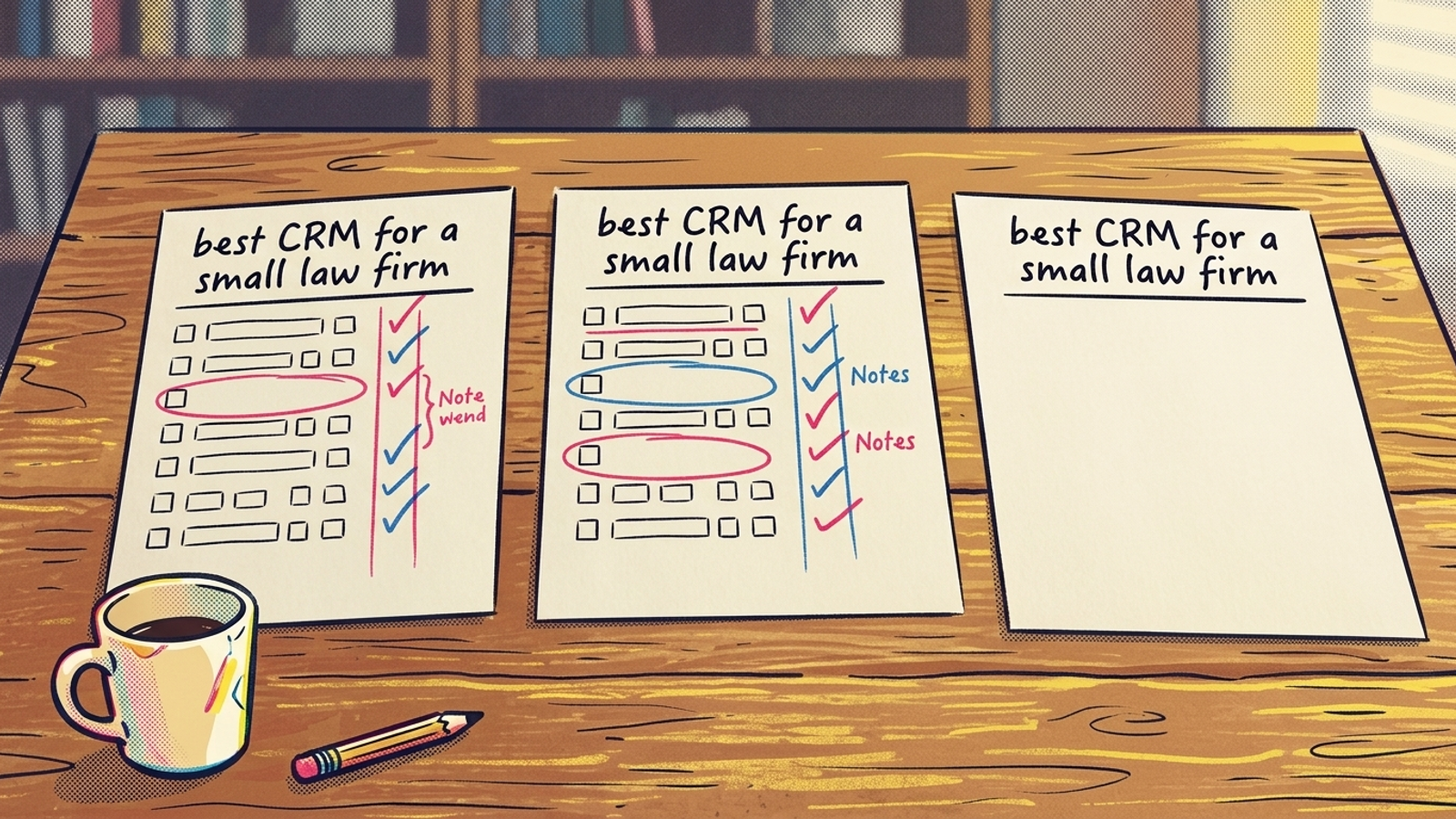
Then there is variation between runs. The same prompt asked 1,000 times at temperature zero produced 80 different completions. That source also estimates a wide interval for a 20-prompt set showing 20% visibility and far larger samples to detect modest changes. A report that celebrates 24% becoming 29% on 30 prompts has not established that anything improved. Get the prompt list, runs per prompt, and per-engine split before you interpret the score.
Prompt set
Definition: A prompt set is the list of questions a vendor runs to produce its visibility reports.
It sounds like a keyword set, but a keyword set can be expanded against observed search demand. A prompt set starts with questions someone chose to imagine. That choice can determine the result: change the questions and the score can move without a business change. Ask for the full list, which prompts represent buyers rather than researchers, and when the list last changed. If you cannot see the test, you cannot trust the grade.
Engine coverage
Definition: Engine coverage tells you which AI surfaces a report checks, such as ChatGPT, Gemini, Perplexity, and Google AI Overviews.
Vendors may call them one channel: AI visibility. They do not draw on identical sources. In one analysis of top-10 citations, ChatGPT leaned heavily on Wikipedia, Perplexity on Reddit, and AI Overviews drew substantially from Reddit and YouTube. A blended score averages away the place you are actually missing. Engines can also build an answer from a small set of sources. Look at mentions and citations per engine, then focus on the surface your buyers use.
Part 2: What you can fix. A low score is a symptom. The terms below point to a page, server setting, or outside reference you can change. If a vendor shows you the symptom but cannot name a fix, you bought a thermometer.
Content gap
Definition: A content gap is a buyer question that competitors’ cited pages answer directly and no page on your site does.
It borrows from keyword gap, which can send teams hunting for another topic to target. Here the missing piece may be a direct answer to a question you already cover badly. I used to default to recommending a long guide. But if the useful answer is buried in paragraph nine, adding more paragraphs will not make it easier to extract. A short, self-contained answer on the relevant page may do more work. For the audit method, see Missing From AI Answers? Diagnose the Four Gaps Before You Write More Content. Map each losing buyer prompt to the URL that should answer it. No suitable URL? There is your gap.
Retrievable passage / answer-first block
Definition: A retrievable passage is a short, self-contained section of a page that answers one buyer question in facts an engine can quote.
It borrows from ad copy. Both need to make sense out of context, but ad copy tries to earn a click; this block needs to survive being lifted into an answer. Put the direct answer first, then its scope and supporting detail. Keep the product name, relevant number, and condition together when the answer depends on them. One prompt, one answer block, one relevant page. If the reader needs three other sections to understand your paragraph, it is not ready to travel.
Entity and entity consistency
Definition: Entity consistency means the core facts identifying your business agree across your site and the outside sources that describe it.
The loose PPC comparison is Quality Score: whether the destination matches what a searcher expects. But this is not a judgment of one landing page. It is a check on whether the sources naming your business agree. If your site and directories give different founding dates, categories, or contact details, a source trying to describe you faces conflicting accounts. I check the unglamorous facts first: business name, category, products, and current contact details on the site, Google profile, and directories buyers see. Fix contradictions before publishing another guide.
Crawl access for AI bots
Definition: Crawl access is whether the relevant AI crawlers can fetch your pages, as affected by robots.txt and the HTML your site serves.
It borrows from SEO crawlability, but “the AI bot” is not one visitor with one job. OpenAI, for example, distinguishes GPTBot, OAI-SearchBot, and ChatGPT-User: training crawl, search discovery, and a fetch in response to a user request. A blanket block does not express the same choice as allowing search access while declining training access. Check which bot a rule addresses before treating a citation problem as a content problem.
Verified vs spoofed bot traffic
Definition: Verified bot traffic is a crawler request whose claimed identity you have checked against the vendor’s published information.
This is the AEO cousin of invalid click reporting. In PPC, you do not want fake clicks shaping your view of CPA. Here, you do not want an unverified user-agent string shaping your view of crawler access. Bot identity can be checked against published IP ranges, while a tag-based tool may miss crawlers that fetch HTML without running JavaScript. Ask how the vendor verifies the request. A graph labeled “AI bot visits” is not that verification.
Live answer fetch vs training crawl
Definition: A live answer fetch reads a page for a current response; a training crawl collects material for model training on a different schedule.
Both get casually called indexing, as if there were one queue to join. There is not. Blocking training does not necessarily block a live fetch, and past inclusion in training does not keep an answer current. That distinction matters when you change pricing, scope, or another fact a buyer might ask about. For near-term citations, check the live retrieval path first rather than assuming a training crawl will carry your update into the next answer.
Off-site authority / third-party citation sources
Definition: Third-party citation sources are outside pages discussing your business that an engine may cite alongside, or instead of, your own site.
It borrows from link building, but the outside page is not merely a vote pointing back to you. It may contain the paragraph the engine uses. Reviews, directories, Reddit threads, YouTube comparisons, and trade coverage can all supply an answer when your site does not state the fact clearly or an engine favors other sources. The source mix described under engine coverage is why an on-site rewrite cannot solve every gap. Check which outside pages the engine cites, then make sure the profiles you can maintain use current facts and category wording.
“We track 500 prompts”
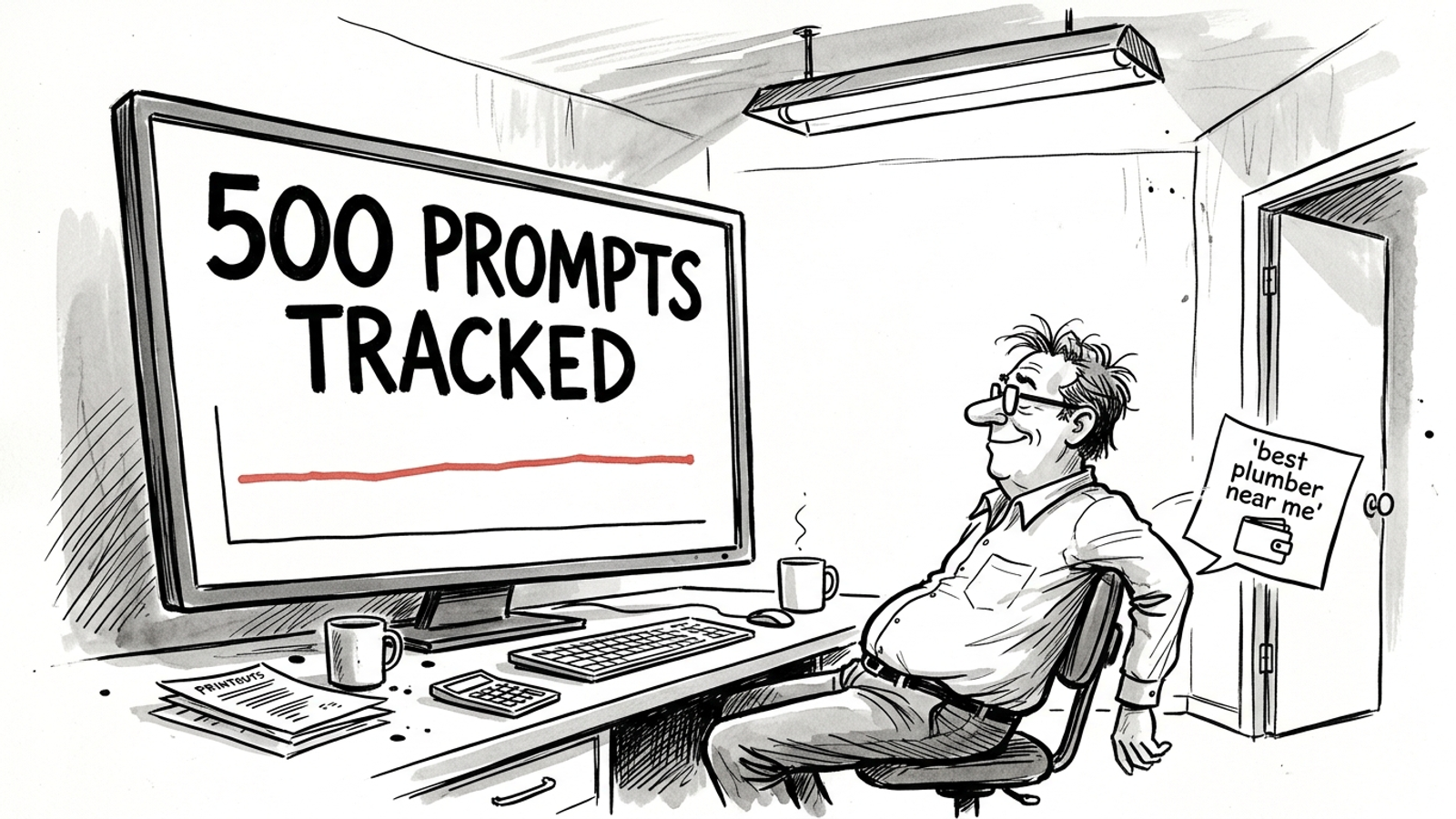
Definition: “We track 500 prompts” is a coverage claim about the size of a vendor’s test list, not a measure of how well it represents your buyers.
It borrows the comfort of a large keyword portfolio. The catch is the denominator: research questions, buyer questions, and comparison questions can all be blended into one attractive number. More prompts do not tell you which answer changed or why. I would ask for the buyer prompts tied to money, the runs per prompt, and citation rates by engine. If the questions that matter are buried inside 500, you are paying to watch the padding move.
“Optimized for AI”
Definition: “Optimized for AI” should mean a specific change was made to improve how an engine can find, understand, or cite your business.
It borrows optimization from PPC, where I expect to see the bid, budget, negative keyword, or landing page that changed. Apply the same standard here. Which URL gained an answer block? Which bot rule changed? Which outside profile was corrected? What prompt will be rerun? A useful service needs citation intelligence and an action layer, not mention counts alone. No change log, no optimization.
Before you pay, get five definitions in writing:
- Prompt set: Show the list and identify the buyer questions.
- Citation vs mention: Separate them by engine, with answers and URLs I can inspect.
- Engine coverage: Show per-engine rates, not just a blend.
- Content gap: Name the losing prompt and the URL that should answer it.
- Change log: Show what changed, where, and when you will retest it.
If a demo cannot produce those, you are shopping for monitoring. Price it like monitoring. Pay execution prices for changes you can see.
Blended visibility score
Definition: A blended visibility score rolls results from different prompts and engines into one number meant to represent your overall presence in AI answers.
This is the term I would retire. It borrows the authority of impression share, hides the prompt list that sets its denominator, and averages away the engine where the problem may live. On a small or thinly repeated test, it can move without telling you what to fix. Keep the per-engine citation rate and the answers behind it. Retire the single score. Half the confusion in this market, and a fair few invoices, depend on it.