


Ten client domains can turn an inexpensive AEO dashboard into a full-time staffing problem. If you run an agency selling AI search visibility, your choice is between three operating models: a tracking tool such as Peec AI or Otterly with your team doing the work (Model A); that tool plus freelance developer hours (Model B); or groas, a flat-rate execution platform at $999 per domain (Model C).
I would not make this decision from SaaS pricing cards. A $95 to $399 monthly subscription is a small line beside the people needed to turn a citation gap into a published fix. Loaded agency labor runs $60 to $75 an hour for a mid-level strategist once payroll taxes, benefits, and overhead enter the picture. An active search account can take 15 to 20 hours of monthly fulfillment. Across 10 domains, that is a staffing commitment, not a tooling upgrade.
The comparison comes down to five things: hours per client, who ships the fix, how cost grows from domain 5 to domain 15, reporting work, and what survives a handoff. Those are the places where a retainer keeps its margin or quietly loses it.
The contenders: buy a diagnosis, buy a handoff, or buy execution
Model A: tracker plus in-house team. Buy a multi-brand monitoring tool such as Peec AI or Profound, then hand the login to your SEO team. The dashboard shows where a client appears in AI answers and where a competitor gets cited instead. Your strategist researches the gap, writes the copy and schema, and either publishes the change or gets it into the client’s development queue. I call this the diagnostic trap: the tool tells you what is wrong, but your team still has to fix it. Our comparison of white-label AEO tools for agencies covers that divide.
Model B: tracker plus freelance developer. Keep the monitoring tool and the strategist, but contract out technical implementation. Your strategist diagnoses the gap, drafts the content, and briefs a developer to handle work such as llms.txt files, FAQ schema, and CMS formatting. That removes some hands-on production. It does not remove the briefs, staging checks, questions, or client approvals. The developer ships the ticket; your strategist remains responsible for making sure it is the right ticket.
Model C: flat-rate execution through groas. At $999 per domain per month, groas audits citation gaps, writes answer-targeted content, generates structured schema, and publishes changes through supported CMS connections. A named senior strategist oversees direction and guardrails. Your agency still owns the client relationship and can package the work under its own brand, but its staff does not have to turn every dashboard finding into a production task.
That is the choice in plain English: who does the work after the alert?
1. Hours per client: the subscription is not the workload
With Model A, budget 16 to 20 fulfillment hours per client per month. A working month might include:
- Two hours checking brand mentions and prompt drift across engines.
- Seven hours researching gaps and writing structured copy.
- Four hours building and testing schema and formatting comparison tables.
- Two hours deploying updates in a client CMS.
- Two hours assembling a client-facing explanation of the work and results.
That example adds up to 17 hours, within the range. At $68 in loaded labor per hour, the 16-to-20-hour range costs $1,088 to $1,360 per domain before the monitoring subscription. At 10 domains, you are assigning 160 to 200 staff hours a month to fulfillment. The 6-to-8-account delivery bottleneck described in agency benchmark data starts to look less abstract when every new domain arrives with another copy brief and CMS login.
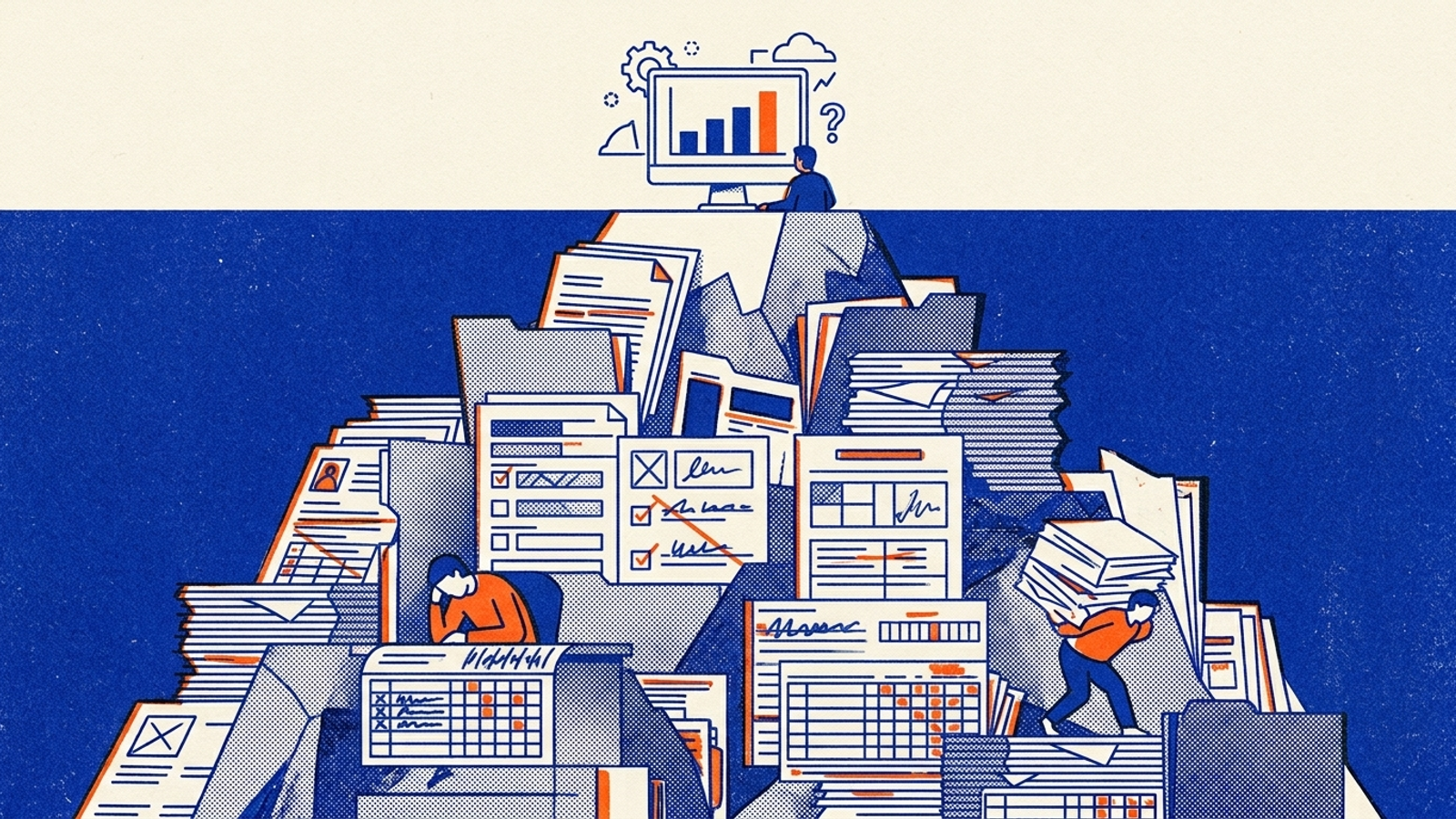
Model B reduces hands-on implementation but keeps 10 to 14 strategist hours per client. The strategist may spend six to eight hours researching gaps and preparing copy, then another four to six briefing the developer, answering questions, reviewing staging changes, and testing the result. Add five freelance developer hours at $40 to $75 an hour: $200 to $375 per domain, on top of roughly $680 to $950 of internal strategist time. The contractor invoice is visible. The coordination time is easier to miss.
Model C puts the research-to-publication work in the execution platform. Your agency’s remaining estimate is 1.5 to 2 hours per client per month for reviewing the action log, talking strategy with the client, and checking reports. Across 10 domains, that is 15 to 20 agency hours rather than Model A’s 160 to 200. You are still accountable for the client. You are not assigning a strategist to write every FAQ and paste every schema tag.
Practical takeaway: price the staff hours before you compare the software plans.
2. Technical fixes: find out whose queue holds the ticket
Model A works when your team can publish what it recommends. When a change needs the client’s developer, the recommendation joins a queue behind checkout fixes and product work. An industry poll of SEOs found that 56% reported implementation of fewer than 40% of their technical recommendations. A good audit cannot help much if its fixes stay in a document.
Model B gives you a developer rather than waiting solely on the client’s engineers, but it adds a handoff. The strategist writes a specification. The contractor builds it. Someone checks the staging version, catches a templating or CSS conflict, and gets approval to publish. Buying developer hours can clear the implementation queue; it cannot make coordination disappear.
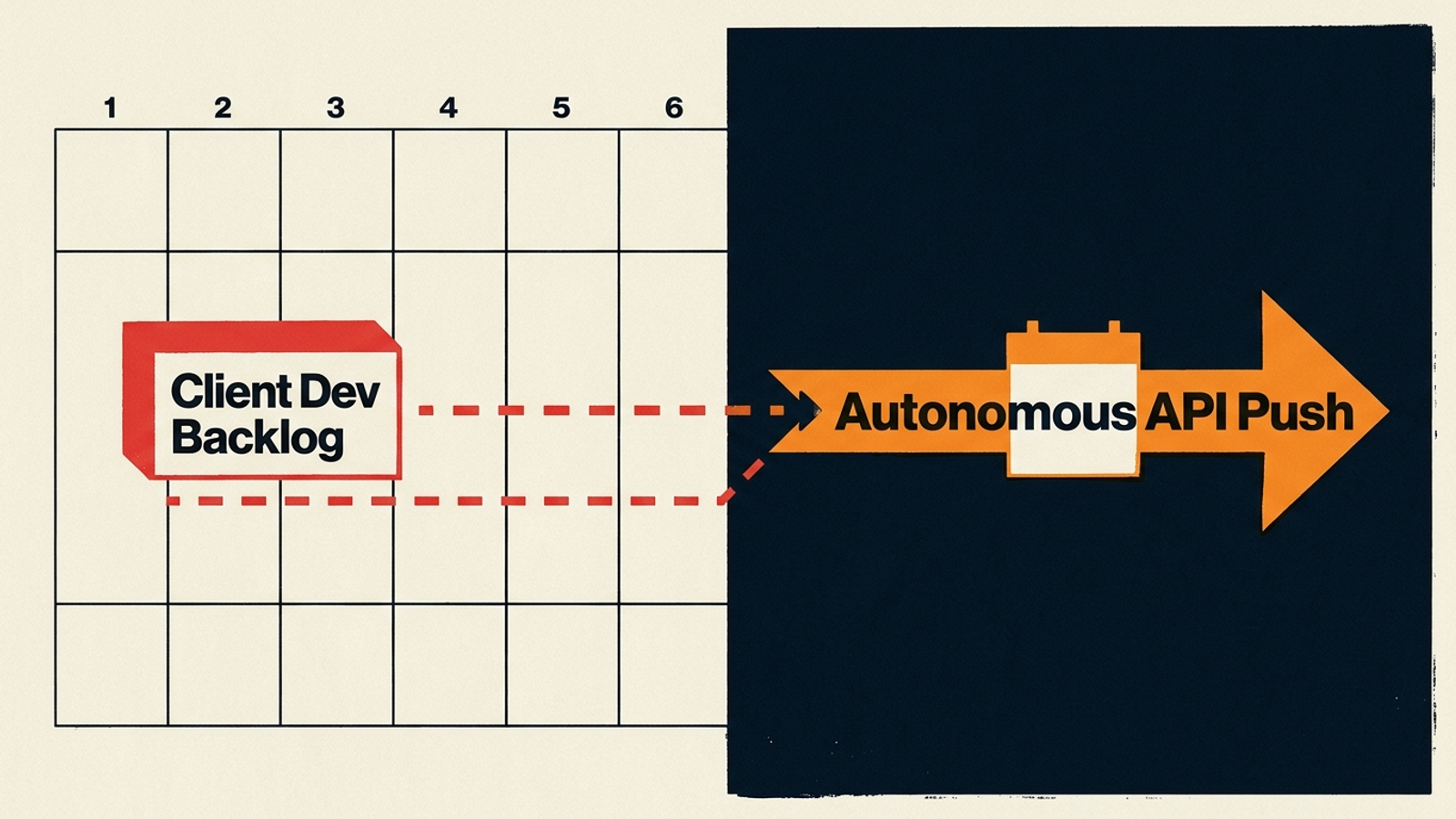
Model C makes publishing part of the service. Through its supported Webflow, Shopify, or WordPress connections, groas can generate structured content and push approved changes into the client’s environment under agreed guardrails. That is the distinction behind our letter to agency owners asked whether their clients appear in ChatGPT: a client cannot use a recommendation that never reaches the site.
I would not promise a client that a published page will be crawled by the next morning, or that every requested change can bypass approval. I would promise to show who owns implementation and where the work is waiting. Model A may leave it with your team or the client. Model B puts it with a contractor and your reviewer. Model C includes it in the execution loop.
3. Cost from domain 5 to domain 15: follow the labor line
Monitoring subscriptions can look manageable at the start. Ahrefs Brand Radar has an entry tier at $199 a month for 2,500 monthly checks; tracking a prompt across several models uses multiple checks. The draft budget for tools such as Peec AI is $95 to $245 a month, while Profound starts at $399+. Prompt expansion packs or overages can add costs as tracking grows.
None of those subscriptions writes the page or publishes the fix. In Model A, each domain brings another 16 to 20 internal hours. Model B trades some of those hours for a variable developer invoice, while keeping the strategist’s research and review time. At 10 domains, the working budget in either model can run to $500 to $1,500 for software plus substantial labor and contractor costs. The exact mix matters more than the cheapest advertised tool tier.
Model C’s price grows with the domain count: $999 per domain per month, or $9,990 for 10 domains, without prompt-metering or seat-license charges in this comparison. At 5 domains, that per-domain price can look steep beside a monitoring subscription, particularly if you already have spare staff capacity. At 15, the relevant question is no longer whether a dashboard is cheaper. It is whether your team can keep researching, writing, coordinating, publishing, and reporting across the roster without adding delivery capacity.
Agencies can package Model C into a $3,000 to $5,000 monthly client retainer, but I would not call the difference between those figures and the platform fee pure margin. Your client management time still costs money. The advantage is a predictable execution cost with far fewer internal fulfillment hours, not permission to ignore the rest of your delivery budget.
4. Reporting: count the deck hours once, then cut them
Model A and Model B give your team monitoring data, not necessarily a client-ready account of what changed. Platforms such as Peec AI and Profound provide prompt tracking and exports. An account team still has to select the useful findings, explain competitor citations, and connect technical work to what the client bought.
Allow two to three reporting hours per client per month when that process involves manual slides. Across 10 domains, the work is 20 to 30 hours. Some of it is already inside Model A’s fulfillment estimate above; do not add it twice when you build a budget. Do notice who does it. Senior strategist time spent taking screenshots is senior strategist time unavailable for decisions.
Model C supplies a weekly white-label changelog of actions and the reasoning behind them. Your account manager still reviews what goes to the client and still needs to explain what the work means. The difference is that the starting point is an execution record rather than an empty slide deck.
Practical takeaway: ask to see the report you would send, not just the dashboard you would buy.
5. Handoffs: can the next strategist see what happened?
In Model A, much of the account’s working knowledge can sit in one strategist’s prompt lists, documents, and dashboard configuration. If that person leaves, a replacement has to reconstruct why a page was written, what was approved, and which recommendations are still waiting. Agency benchmark data puts 43% of client churn in the first 90 days, a period when muddled onboarding and delayed delivery are especially unwelcome.
Model B has two handoffs to protect: the strategist who understands the client’s voice and the developer who understands the staging setup. A good brief helps, but the brief itself is work. If either person changes, the agency must recover the context before the next fix moves.
Model C keeps the account’s context, guardrails, published work, and action history with the operation. A newly assigned agency strategist can review an existing trail instead of starting from a collection of scattered documents. If a client leaves, the agency can stop paying for that domain rather than continuing to manage a contractor arrangement for it.
Practical takeaway: before choosing a model, picture the person who takes over this account next year. What can they inspect on day one?
Scorecard: three ways to deliver AEO
| Decision axis | Model A: tracker + in-house team | Model B: tracker + freelance dev | Model C: groas execution |
|---|---|---|---|
| Agency hours per client per month | 16 to 20 | 10 to 14 strategist hours, plus contractor time | 1.5 to 2 |
| Who ships the fix | Your team or the client’s developer | Freelance developer, with agency review | Platform through supported CMS connections, under guardrails |
| Cost as domains grow from 5 to 15 | Subscription plus rising internal labor | Subscription plus internal labor and variable dev invoices | Flat $999 per domain per month |
| Client-facing reporting | Team turns tracking data into reports | Team turns tracking and contractor work into reports | Weekly white-label action log for team review |
| Handoff risk | Strategy may sit with one employee | Strategist and contractor context both matter | Account context and action history stay with the operation |
The verdict: pick the model that protects delivery margin
For an agency managing 5 to 15 or more domains, I would pick Model C. Its subscription is not the smallest-looking number, but it covers the work the other two models leave on your payroll: finding gaps, producing fixes, publishing changes, and documenting what shipped. If you sell ongoing organic growth retainers, that is the cost to compare, not the dashboard fee.
Who should pick Model A or B anyway? A boutique consultancy with two or three $8,000 to $10,000 flagship retainers may have room for bespoke research, workshops, and hands-on production. Pick Model A if your team can both devise and publish the work. Pick Model B if you want to retain that bespoke strategic process but need contracted development capacity. Either can make sense when clients are paying for direct access to that labor. Model C is also a poor fit when a client’s systems prohibit automated CMS connections or API publishing.
For the agency trying to serve 10 domains without turning every new sale into another staffing request, the choice is less romantic. Stop buying a diagnosis and calling it delivery. Let the machine ship the work.