

 LinkedIn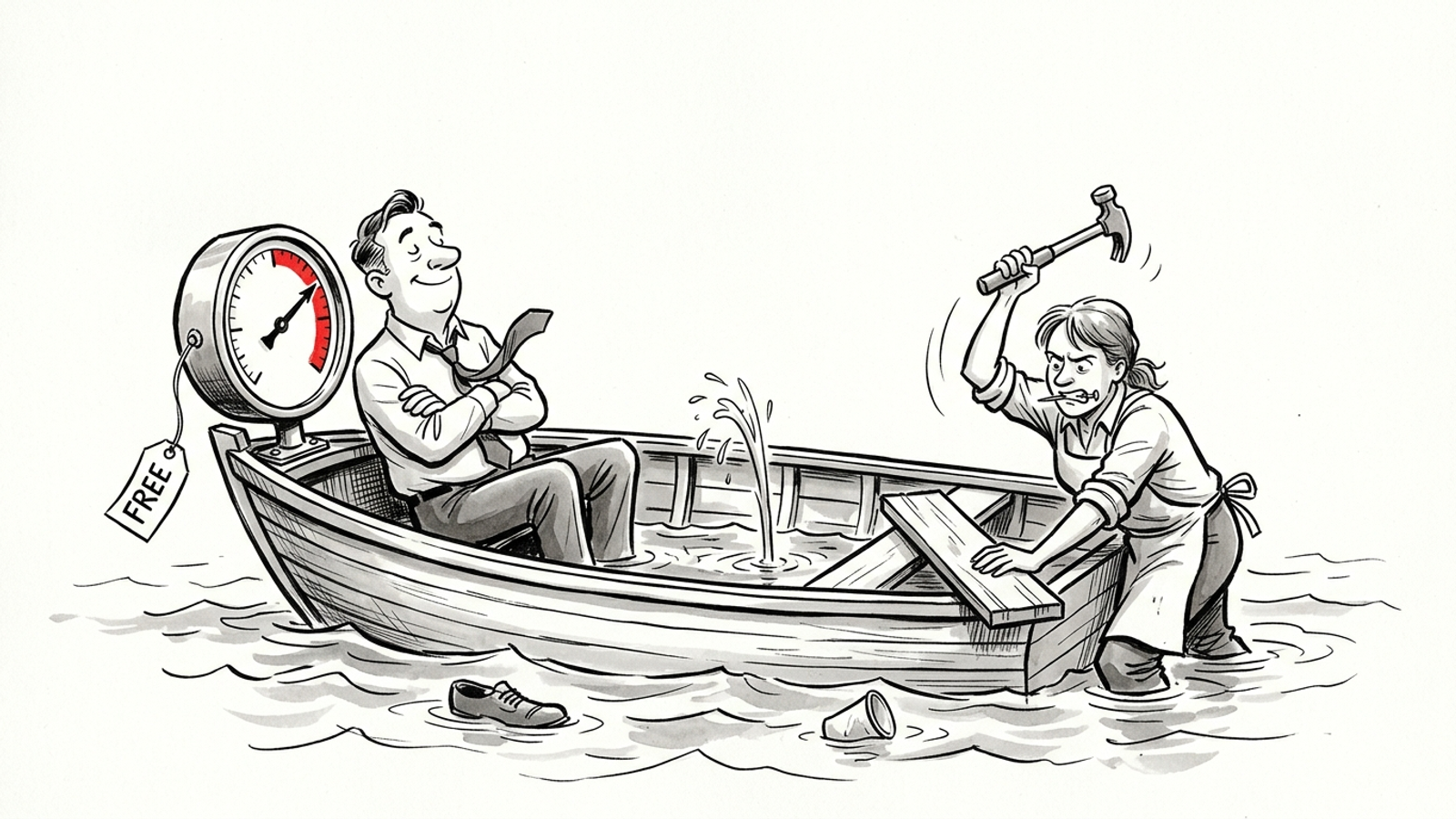
By December 2027, basic brand-mention tracking across ChatGPT, Gemini and Google AI Overviews will be included in major paid SEO suites, not sold as a separate subscription. Any vendor still charging $99 a month just to count mentions will have to explain what the customer gets beyond the count.
I have seen this pricing move before in paid search. I used to build match type structures by hand and spend late nights mining negative keywords. Then automation took over more of the repeatable work. The valuable part did not disappear; it moved to judgment and execution. AI visibility monitoring is on the same path. You are paying for a feature, not a product.
You can already buy that feature from a crowded field. Entry dashboards run $29 to $99 a month, with Otterly starting around $49 and Profound around $99. Enterprise tiers run $399 to $699. Some buyers need the deeper data behind those prices. But a dashboard that answers only “Did my brand appear?” has a short runway.
Here are five predictions, what is driving each one, and what would prove me wrong. Check back in December 2027. I intend to.
Prediction 1: Basic mention tracking becomes a bundled tab by December 2027
The mechanism is bundling. Once several vendors can produce the same count, an established suite can include it in a plan customers already buy. The standalone vendor then has to sell something harder to copy: a deeper index, useful analysis or work that changes the result.
That split is visible now. Semrush folds its AI Toolkit into Pro plans from $139.95 a month. HubSpot offers a free instant AEO check plus $50 monitoring. Ahrefs lists Brand Radar as a $699 add-on. Those prices do not all buy the same thing. They do show the distinction between a quick check, ongoing monitoring and a broader paid index. The count becomes the bundled tab; depth stays paid.
This is what happened to rank tracking. Knowing a position remained useful, but the bare number stopped being enough to defend a standalone bill. A mention count has the same problem, with an extra catch: the answer can change when you run the prompt again.
My test is basic coverage, not a free enterprise index. If major suites still charge extra in December 2027 to track simple mentions across ChatGPT, Gemini and AI Overviews, I misread the bundle logic.
Prediction 2: Ads inside AI answers squeeze the organic citation slot
Google does not need to remove AI Overviews to reduce the space available to organic sources. It can put paid units where people read the answer. More paid inventory at the point of intent means citations have to compete for attention on a more crowded surface.
The evidence is not one tidy number. AI Mode and AI Overviews are different surfaces, and the figures should not be mashed together. Still, both show why this is worth watching. A study of 50,032 US commercial keywords found text ads in AI Mode on 29.45% of queries. Of the queries that triggered ads, 71.1% showed two. For keywords priced at $10 or more per click, the ad rate reached 53.56%. Commercial intent is where the pressure shows up first.
Separately, Semrush tracking of more than 10 million keywords showed ads alongside AI Overviews rising from around 3% in January to around 40% by November 2025, with ads at the bottom of about 25% of those results. That does not establish that citations have already fallen. It establishes that paid units are moving onto the surface where citations appear.
Buying an ad is not a back door into the source list, either. In the AI Mode study, only 11.53% of advertiser domains appeared among cited sources. Paid placement and organic citation are separate jobs, even when they occupy the same answer.
Watch citations per answer alongside paid units, not either number alone. I will be wrong if, by late 2027, paid units in AI answers stay flat and the average answer still cites the same number of organic sources as it does now. If ads grow while citations hold steady, that also weakens the squeeze argument. Space can get crowded without the source count falling; the prediction is that it will fall.
Prediction 3: Citation share replaces raw mentions as the headline number
A mention tells you the model knows a name. A citation gives the reader a route to the page. Neither guarantees a customer, but they are not interchangeable, and a dashboard that combines them into one cheerful visibility score hides the difference.
A June 2026 citation study found 61.7% of AI citations never name the brand they link to. The models also behave differently: ChatGPT cites around 15 sources per response, with an 87% citation rate but a 20.7% mention rate. Gemini mentions the brand 83.7% of the time but cites it only 21.4% of the time. A brand could look strong on one mention chart and weak on the corresponding citation chart.
Picture a plumber named in a Gemini answer with no link, then a page linked by ChatGPT without the plumber’s name in the prose. The first result may help recognition. The second gives someone a way to visit. Calling both events “one appearance” is tidy reporting and poor decision-making.
I used to tell clients CTR was the health metric. I was wrong to treat it as the whole answer. Impression share with a cost attached was more useful when the decision was where to move budget. Here, citation share across buyer prompts is the metric I would put beside traffic and revenue, while keeping mentions as a separate signal.
Prove me wrong in December 2027: if vendors still lead their sales pitch with raw mention counts rather than sampled citation share, this prediction failed. For now, do not pay a premium for a score that cannot tell a mention from a link.
Prediction 4: Single-run visibility scores lose their authority
Run the same prompt twice and you can get two different answers. That is not necessarily a broken tracker. It is a reason to stop treating one answer as a fixed search result.
A 2026 Zatuchin study puts single-answer reliability near 0.01, with the brand itself explaining only 1.5% of the variance. Resampling the same prompt explains 34.8%; query wording explains another 26.5%. On a single run, the variation in what you ask and what the model returns can swamp the signal you hoped to measure.
So the one-time score of 72 out of 100 in a dashboard email is precision theatre unless the vendor shows how it sampled. Repetition helps, but there is a limit to hammering one prompt: the same study found reliability improved by only 0.0003 past the fifth repeat. I would cover more real buyer prompts before running one wording twenty times.
Ask how many prompts and runs sit behind the score. I will be wrong if single-run scores are still sold without sampling disclosure in December 2027. If that happens, buyers will still be paying for the 2015 rank tracker of this cycle: a clean number that makes a messy surface look settled.
Prediction 5: Buyers pay for executed fixes, not monitoring-only audits
The cost of counting puts a ceiling on what counting alone can command. A practitioner teardown puts a DIY tracker at around $50 to $100 a month all in. Its example uses 200 prompts, repeated runs across three models, a database and a chart. That is still work to set up and interpret. It is not, by itself, a defensible $399 monthly retainer. The teardown’s business point is simpler: tracking matters when the resulting traffic converts.
Ahrefs offered a useful example of why the right visibility can matter. It disclosed that 12.1% of signups came from LLMs despite those visits making up just 0.5% of total traffic, about 23 times the conversion rate of regular organic. That does not mean every citation will perform that way. It means a small traffic source can deserve serious attention when its visitors become customers.
The paid work moves from counting citations to trying to earn them: page rewrites, clean HTML, crawl access and proof blocks a model can use. A monitoring report can identify the gap. Somebody still has to change the page and check whether the change held across repeated prompts.
Pay for a fix you can inspect, not an audit that ends at the chart. I will be wrong if standalone monitoring-only retainers grow through 2027. If they shrink while execution fees hold, the fee has followed the work.
February 2016: Four top ads redraw the search results page
The reason I expect a squeeze is not that AI answers are identical to the old results page. They are not. It is that Google has already shown what happens when paid inventory moves above organic results at a commercial moment.
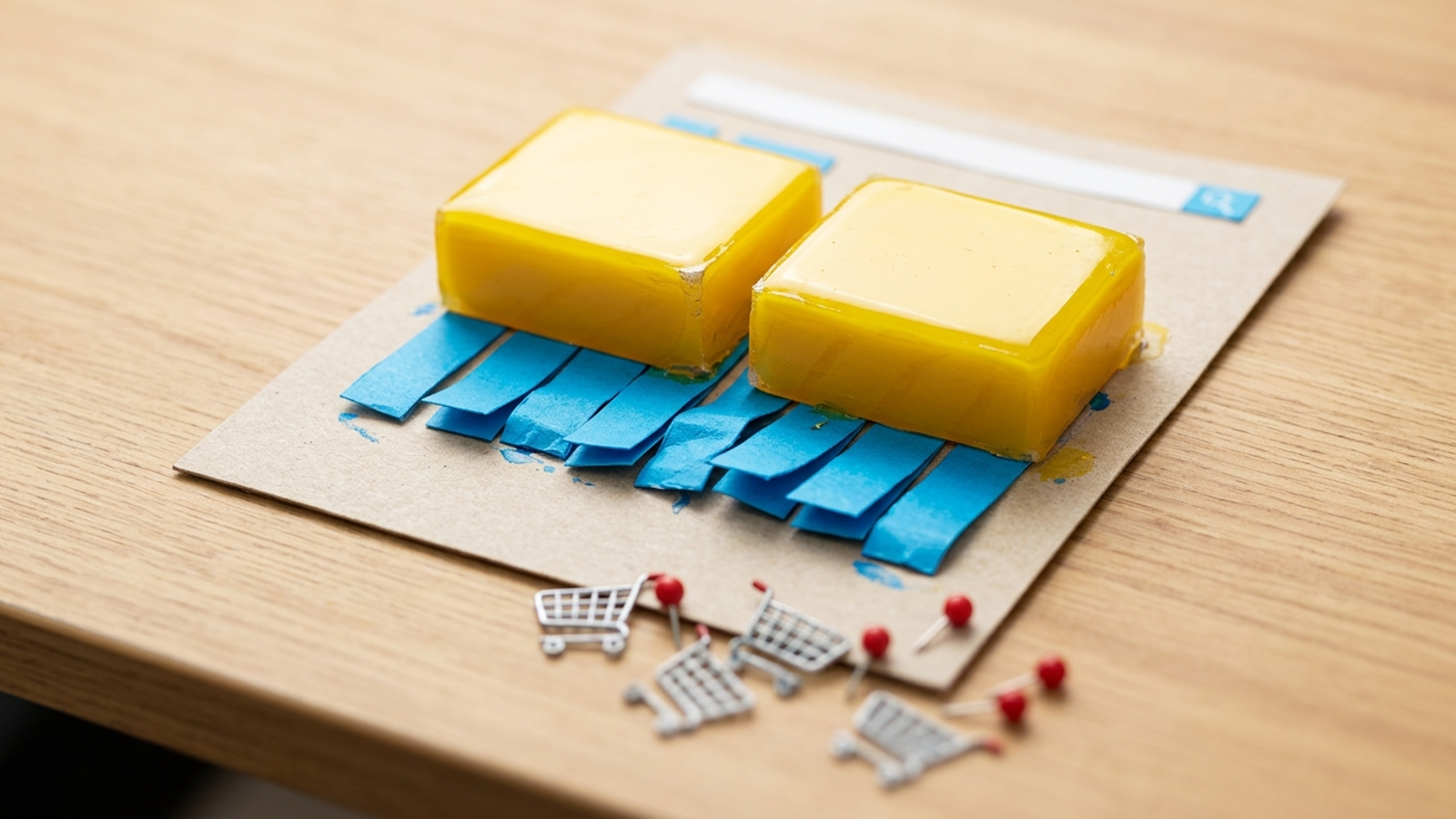
On February 19, 2016, Google confirmed that desktop results would no longer show text ads in the right sidebar. Results could instead show as many as four text ads above organic listings and three at the bottom. Total text ad slots fell from 11 to 7. The change concentrated text ads in fewer, more prominent positions on the page.
For practitioners, a ranking could remain intact while its screen position changed. On a query showing four top ads, the first organic result appeared after four paid results. Position one organic was no longer the first result a searcher saw. A brand that looked only at rankings could miss why its clicks were under pressure.
Shopping and local results added to that pressure. Product Listing Ads occupied space on shopping queries; local packs put a map, three names and call buttons in front of service-search results. Say you were spending $20k a month on home services: a stable organic rank did not guarantee that the same share of searchers reached your listing. The page around it mattered.
2026: Paid units enter the AI answer
This turning point is still unfolding, so I would not pretend the final citation count is known. What has changed is the inventory: ads now appear alongside AI Overviews, and the AI Mode data shows paid units on commercial queries. What that may break is the comfortable assumption that winning a citation means receiving the same attention it would have received in an answer without ads.
The 2016 parallel is about placement, not a claim that every AI answer will copy the old results page. Google can charge for attention where intent is strongest. Ads inside AI Overviews put that pressure next to the sources businesses want to earn. My reading of the line from 2016 to now is that organic citations will have to work harder for the same glance, and eventually for a smaller share of the answer.
That is why “How often was I mentioned?” is the wrong final question. You need to know which buyer prompts matter, whether your pages get cited when those prompts are repeated, and what you can change when they do not. Monitoring the squeeze does not get you out of it.
What to do this quarter: buy page changes, not prettier reports
If you pay for one line of work this quarter, make it execution on the 10 to 20 buyer prompts most relevant to revenue. Start with the pages those prompts should surface. Look for an answer block that buries the answer, a crawl issue that keeps fetchers from reading it, or a proof section missing the dates and prices a model could quote. Then make the edit and test again.
Judge tools that get you featured in Google AI Overviews on what they help change, not just the trend line they display. A report saying you were cited 14 times gives you a baseline. It does not tell you whether the right page appeared on the right commercial prompt, or give you the edit that might improve the next run.
This will not work for everyone. If you run one location and see under 50 qualified searches a month from AI answers, use the bundled or free check and look at it monthly. If you are pre-launch with no pages worth citing, monitoring an empty room teaches you nothing. If you spend over $10k a month on search or compete for commercial prompts, stop buying counts as the finished product. Buy fixes. Watching impression share never lowered CPA. Moving budget and rewriting the offer did.
December 2027: the scorecard
Here is how to tell whether I got this wrong:
- Check the bundle. Open your SEO suite. If basic mention tracking across ChatGPT, Gemini and AI Overviews still costs extra in major suites, Prediction 1 failed.
- Count paid units and citations together. Sample 25 buyer prompts five times each. If paid units remain rare on commercial prompts and citations per answer hold steady, Prediction 2 failed. If ads spread but citation counts do not fall, my squeeze call still needs a rethink.
- Read the dashboard’s headline number. If vendors still lead with raw mentions instead of sampled citation share, Prediction 3 failed. If they sell single-run scores without explaining the sample, Prediction 4 failed.
- Compare what retainers buy. Price monitoring-only work against work that changes pages. If monitoring-only retainers grew through 2027 rather than losing ground to execution, Prediction 5 failed.
I will post the recheck with screenshots. Until then, measure with breadth rather than a grand-looking score: 25 real buyer prompts, five runs each across the three surfaces, logged weekly in a sheet and scored for citation share. Use that measurement to choose the pages and prompts worth working on. Do not buy another subscription just to admire the baseline.
If I am right, the budget belongs on pages worth citing inside a tighter answer: direct answers, current prices and dates, and HTML fetchers can read. Ads can rent the top of the answer, just as four top ads rented the top of the results page. A report will tell you the space got smaller. An edit is your chance to earn a place in it.