

 LinkedIn
A bot can visit your site 3,000 times and never cite a word of it. Yet the usual advice is still to add schema, upload an llms.txt file, publish more posts, and wait for ChatGPT to notice. I used to tell clients a version of that story when the prize was a featured snippet. I was wrong then. Most citation advice is old SEO folklore with the word AI pasted on top. The more useful question is which buyer questions your pages actually answer—and which ones someone else answers better.
Myth 1: “If AI bots are crawling you, you’re being cited”
I get why this one sticks. You open the logs, see GPTBot or PerplexityBot hitting your site 3,000 times, and assume attention must turn into mentions. Someone puts the bot traffic chart in a deck. The line goes up. The room nods.
The chart mixes up different kinds of activity. PerplexityBot crawls to surface and link sites; Perplexity-User fetches in response to a live user request. Neither entry tells you, on its own, that your page appeared in the answer. Crawling can put a page in the pool. Selection happens later.
In one analysis of 548,534 retrieved pages across 15,000 prompts, only 15% were cited in final answers. The other 85% were retrieved but not cited. Bot hits are not votes. They are auditions.
Before you celebrate a spike, split crawler activity from live-request fetches, then check the answers themselves. A curl and CDN audit can tell you whether the page is accessible to a fetcher. It cannot turn a visit into a citation.
Myth 2: “Adding schema markup gets you cited”
Schema is useful plumbing. It helps machines parse dates, prices, and business names without guessing. That is a good reason to keep it. It is not a reason to expect a citation every time you add JSON-LD.
The distinction is simple: markup can help a machine understand a page that answers a question. It cannot make a thin answer worth quoting. Ahrefs tracked 1,885 pages that added JSON-LD between August 2025 and March 2026 against 4,000 matched controls and found no major citation uplift on any platform. AI Mode moved 2.4% and ChatGPT 2.2%; AI Overviews moved negative 4.6%.
Schema is hygiene, not a citation switch. Keep it accurate and validate it. Then spend the real hours on the answer a buyer came to find. If that answer is buried under six paragraphs of positioning, better markup is not the rescue plan.
Myth 3: “An llms.txt file is the AI version of a sitemap boost”
This one spread because it sounds tidy. Sitemap for Google, llms.txt for ChatGPT. Upload a Markdown summary of your site and watch the citations arrive. I understand the appeal: it feels like a defined task with a defined finish line. The file exists, the box is checked, and nobody has to rewrite the awkward pricing page.
The available numbers do not make that box look valuable. Across roughly 300,000 domains, SE Ranking found no correlation between having an llms.txt file and citation frequency. Removing the file from its model actually improved accuracy.
The request logs make the case harder to sell. Ahrefs looked at 137,210 domains and found that 97% of published llms.txt files received zero requests in May 2026. Search-retrieval bots accounted for only 1.1% of the requests that did occur. Google says Search ignores the file for AI features.
A file nobody fetches cannot cause a citation. Keep one if you want tidy documentation. Do not count it as work completed on the buyer questions where your site is absent.
Myth 4: “Rank #1 on Google and ChatGPT will follow”
This is the one I held longest. A strong organic ranking feels like proof that an assistant will find, trust, and quote the same page. Sometimes it will find the page. The rest does not follow automatically.
An assistant can turn one prompt into several follow-up queries, fetch pages for each, and choose passages for the answer. The page ranking first for the original Google search may not answer the follow-up that supplies the cited claim. Position helps you get seen; it does not write the passage the assistant needs.
The overlap is smaller than the old mental model suggests. Assistants cited Google top-10 results for the same prompt about 12% of the time on average, with Perplexity highest at 28.6%. Around 80% of assistant citations did not rank for that prompt at all. Overlap with Google AI Overviews fell from 76% in July 2025 to about 38% by March 2026 as query fan-out grew.
That does not make organic rankings worthless. It makes them an incomplete target. In the AirOps data, 32.9% of cited pages came only from fan-out follow-up queries the user never typed. You can own the head term and miss the question that gets quoted.
Ranking first is not the same as answering the cited question. Retrieval-based answers pick sources through queries, fetching, and passage selection. Look at the passages cited for your buyer prompts, not just the position of your page for the original search.
Myth 5: “Publishing more blog posts raises your citation odds”
More pages feel like more lottery tickets. That logic works only if each ticket answers a question somebody asks. Forty variations of the same thin post give a retriever forty near-duplicates to pass over.
Assistants cite passages, not publishing schedules. In an Ahrefs study of 75,000 brands, page count had the weakest correlation with AI visibility of any factor measured: 0.17, against 0.664 for branded web mentions. Page count alone tells you little about whether a buyer can find a direct answer. Google makes the same point in plainer terms: high page quantity does not make a site more relevant.
So I would reverse the usual content plan. Instead of deciding how many posts to publish, find the questions where the answer cites somebody else. Start with 20 to 30 buyer prompts you want to show up for. Run each in ChatGPT and Perplexity three times, then record the cited pages. Sort what you find:
- You are cited more than once: defend that page and keep its facts current.
- The same competitor is cited more than once and you never appear: investigate the answer you are missing.
- Nobody appears consistently: the question is open enough to test a direct answer, though no citation is guaranteed.
The competitor pattern is the useful one. It gives you a page to read and a buyer question to answer. Before writing anything, search your own site for the wording of that question. Sometimes there is no page. Sometimes the answer is in paragraph six, after 400 words of positioning. Sometimes the facts sit in an image, a PDF, or client-side JavaScript that a fetcher may not render.
A page that merely mentions the question is not an answer to it. If you have an afternoon, rank the missing questions by proximity to a purchase: price, turnaround, coverage area, or comparisons against the competitor being cited. Write for those first. A prompt about emergency plumber cost in Austin is closer to a decision than one about history of plumbing. The calendar can wait.
Myth 6: “Your homepage is the page AI should cite”
Your homepage is usually your best-looking page. It has the logo, the positioning line, and the social-proof bar. Type your brand name into Perplexity and you may see it appear. That is a brand lookup, not a test of whether you show up when a buyer compares options.
In buying answers, Perplexity citations skew toward editorial best-X roundups, review platforms, comparison articles, and Reddit threads. Those pages already organise alternatives for the reader. Polishing a homepage will not make it serve the same purpose, and your product may be discussed through pages other people wrote.
There is still work you control. Perplexity attaches citations to individual claims, so give it a passage that answers one buyer question in the first two sentences, then supports that answer with facts in plain HTML. Put relevant prices, limits, and steps where a fetcher can read them. Content locked in images, PDFs, or client-side JavaScript is at risk if the fetcher does not render it.
Write the answer before you decorate the page
Say you are spending $20k a month and the missing prompt asks how much emergency pipe repair costs in Austin. Open the page with the direct answer. Follow it with a short HTML table of service tiers and price ranges, then list the conditions that change the price. Use your real figures; the point is to make the answer visible, not to manufacture a neat number for a snippet.
That page has a job the homepage does not: answer a specific question without making the reader decode a brand promise first. If the answer appears only after a long introduction, move it up. If the price and limits live in a graphic, put them in text. If you do not know what the buyer would need to compare, read the pages currently being cited.
Stop polishing the homepage as a substitute for answering the prompt. Publish the useful passage before you publish ten more general posts. Then rerun the same questions to see whether it appears. One answer-shaped page on a missing buyer question is a better bet than another batch of posts written to fill a slot.
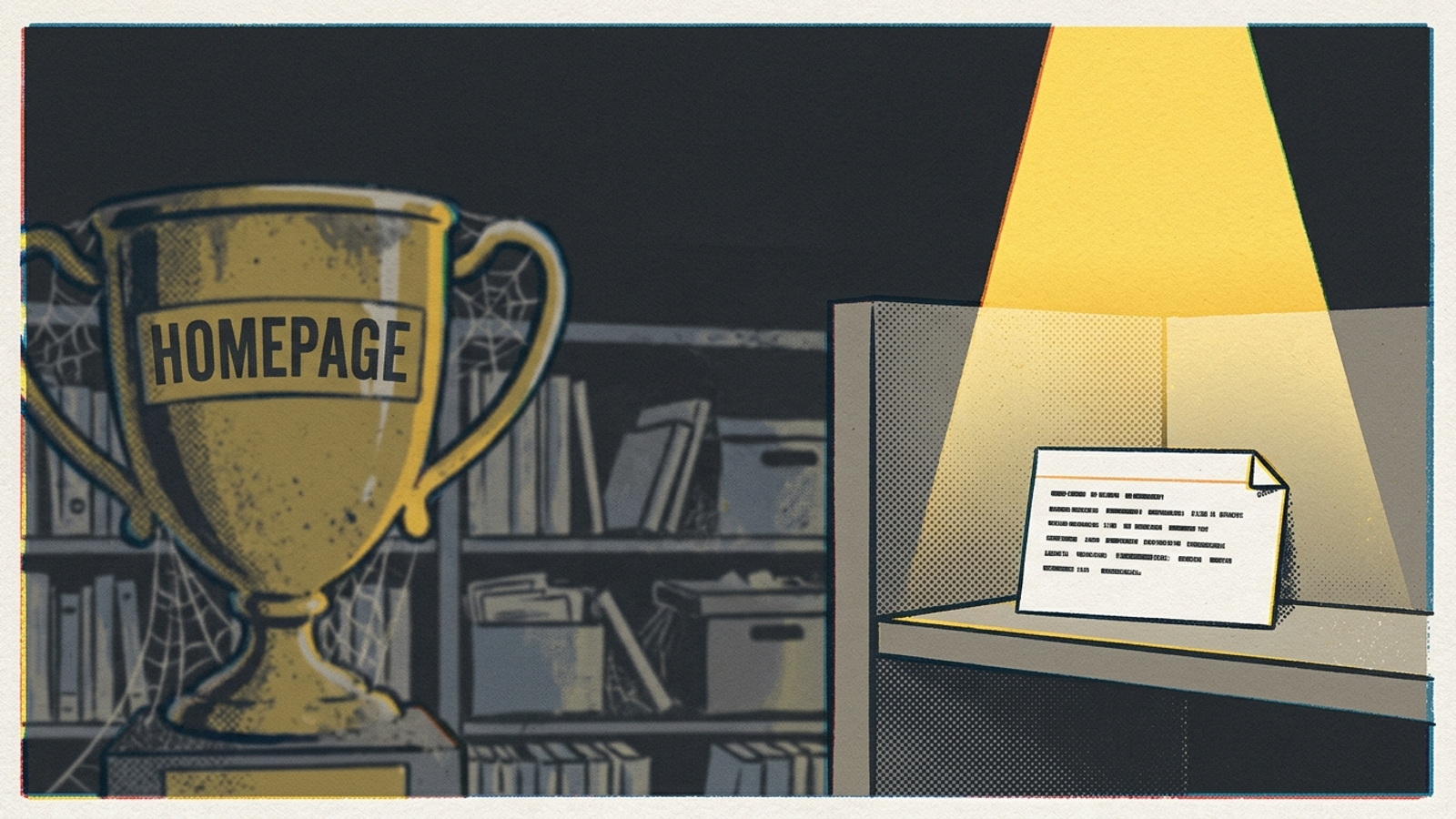
Myth 7: “Once cited, you stay cited”
This is the hardest one to kill because everyone has the screenshot. You appeared in an answer on Tuesday, sent it to the founder, and now the citation feels like an asset you own. I get it. Screenshots are satisfyingly definite. The next answer is not obliged to match them.
A SparkToro test with 600 volunteers running 12 prompts 2,961 times found that the same brand list almost never repeated twice. Appearance rates across many runs can be more stable than any single run’s position. Other trackers report roughly half of cited pages changing month to month. A citation is a rental with a weekly lease.
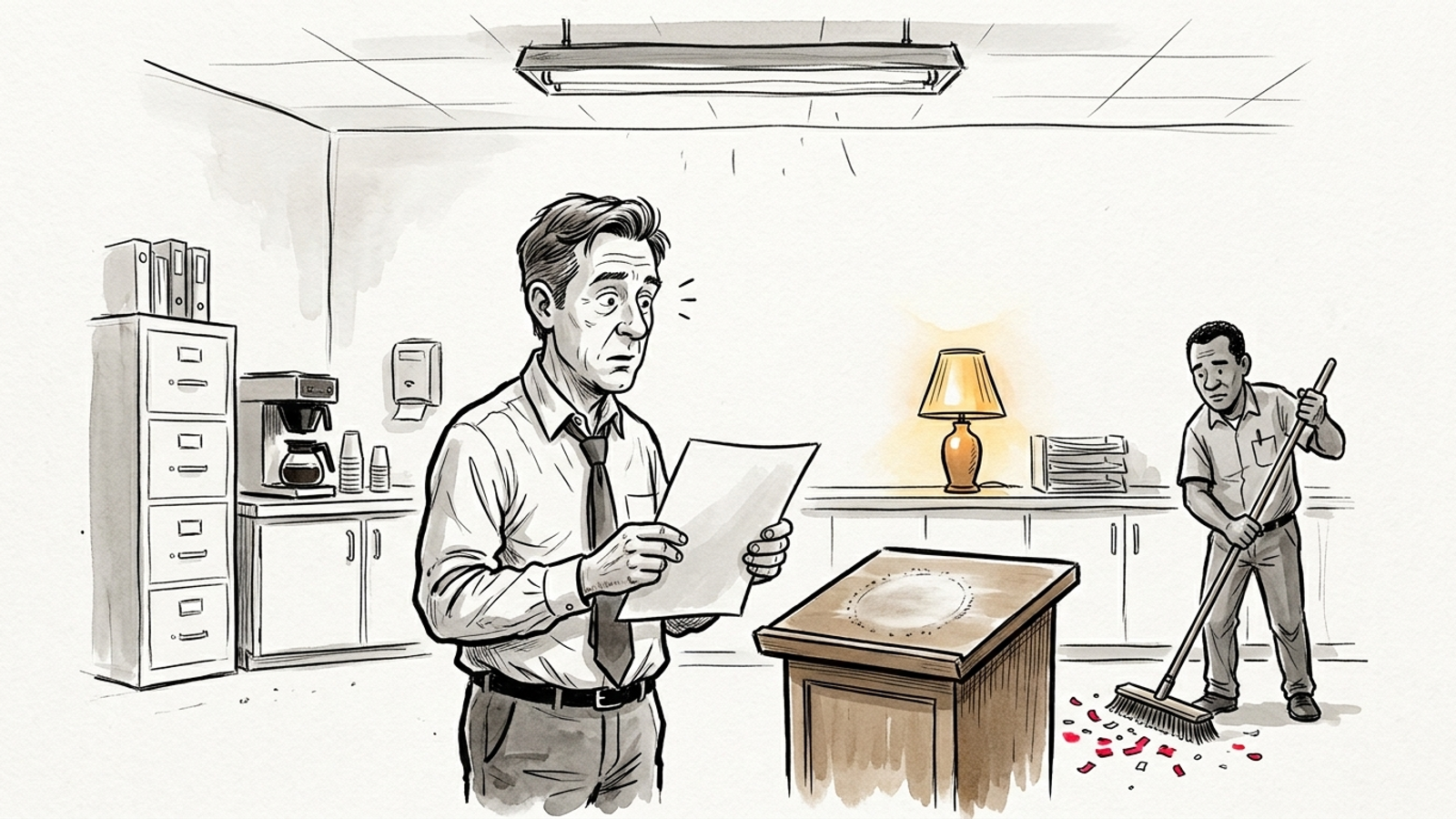
That is why the screenshot is the wrong unit of measurement. Run a buyer prompt ten times and record whether you appear, which page gets cited, and who appears instead. Seven appearances out of ten give you a pattern worth defending. One appearance gives you a reason to keep watching, not a victory to frame.
Use the same prompt set each month. If a page falls from seven appearances in ten runs to two, read the replacement page, especially its first 100 words. Check whether it answers the question sooner, states a limit you buried, or presents the facts in a table you skipped. Then improve your answer and measure again. The work is not glamorous: keep the passage direct, the facts current, and the result visible across repeated runs.
This myth survives because a citation looks like a ranking, something you win and keep. It behaves more like a spot that gets reconsidered whenever someone asks. The businesses that appear consistently will not get there by counting bot hits, polishing schema, or framing Tuesday’s screenshot. They will have answers to the buyer questions that matter, and they will keep those answers useful while everyone else admires the chart.